Green4Clean - Company takeover as of 1 January 2026

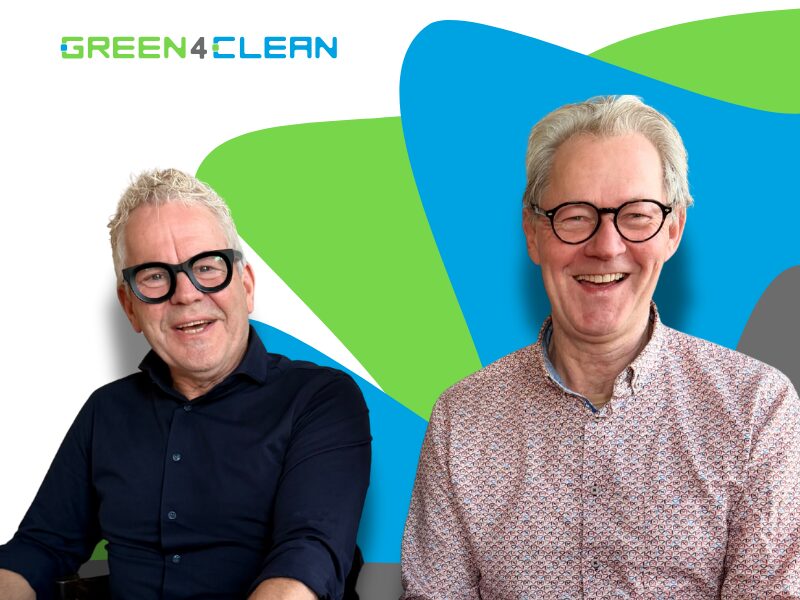
Eco-Nova GmbH took over the Dutch company Green4Clean on 1 January.

This acquisition brings together two companies that share the same attitude: Innovation, sustainability and measurable added value for customers.

Eco-Nova is strongly positioned in the German industry, while Green4Clean has been firmly established in the Dutch market for many years - including in road and hydraulic engineering, offshore, harbour logistics and industry. Together we now supply customers in Europe and parts of Asia.

The founder of Green4Clean, Kees Breij, will remain actively involved until 2027 and will support the transition phase.
Green4Clean will remain an independent brand and will be further developed internationally under the Eco-Nova umbrella.

The purchase agreement was signed in November 2025. Now the next phase of growth begins: innovation, internationalisation and sustainable impact. 💚🌍

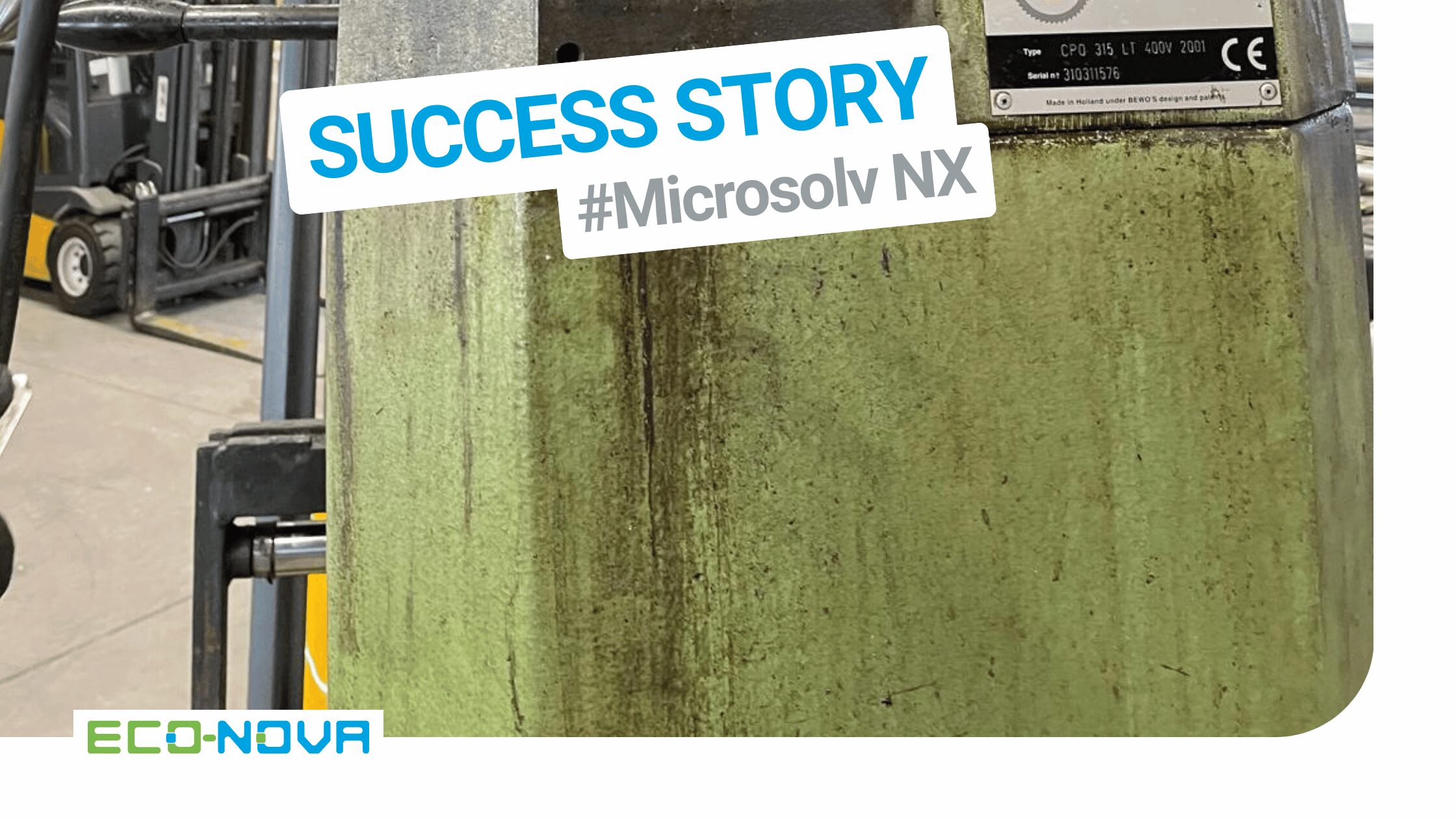
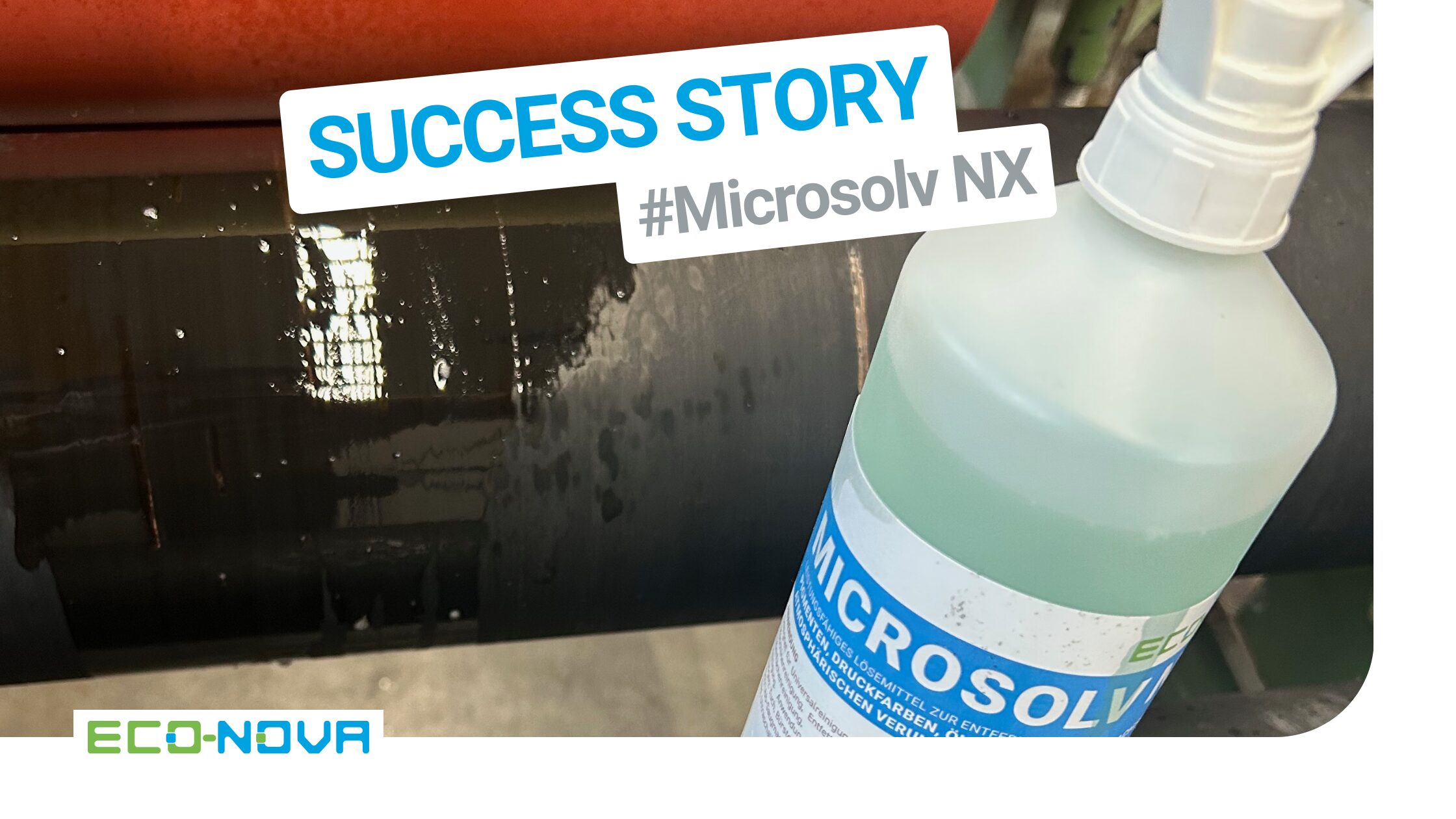
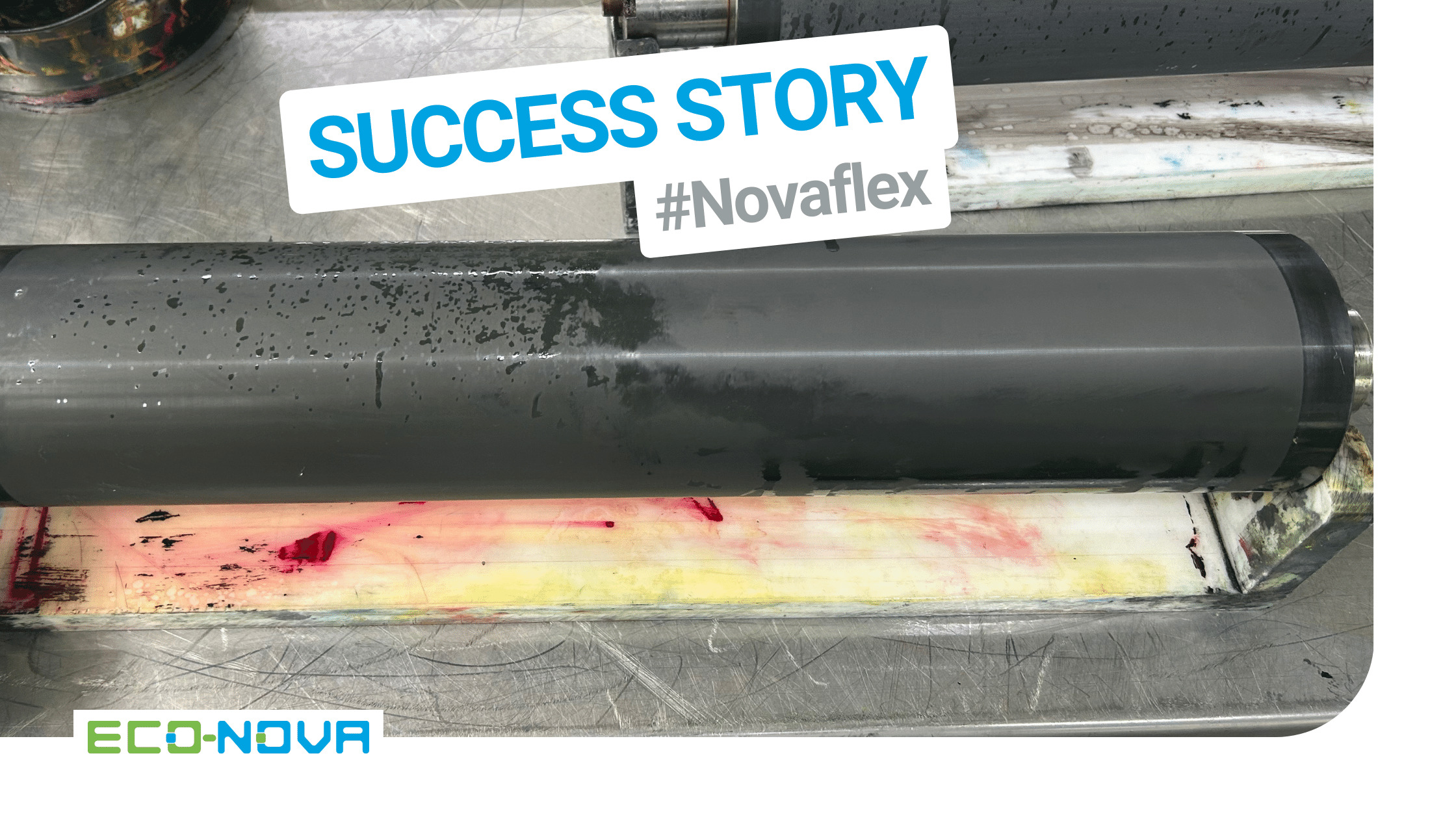
Safe & effective cleaning of metalworking machines with Microsolv NX

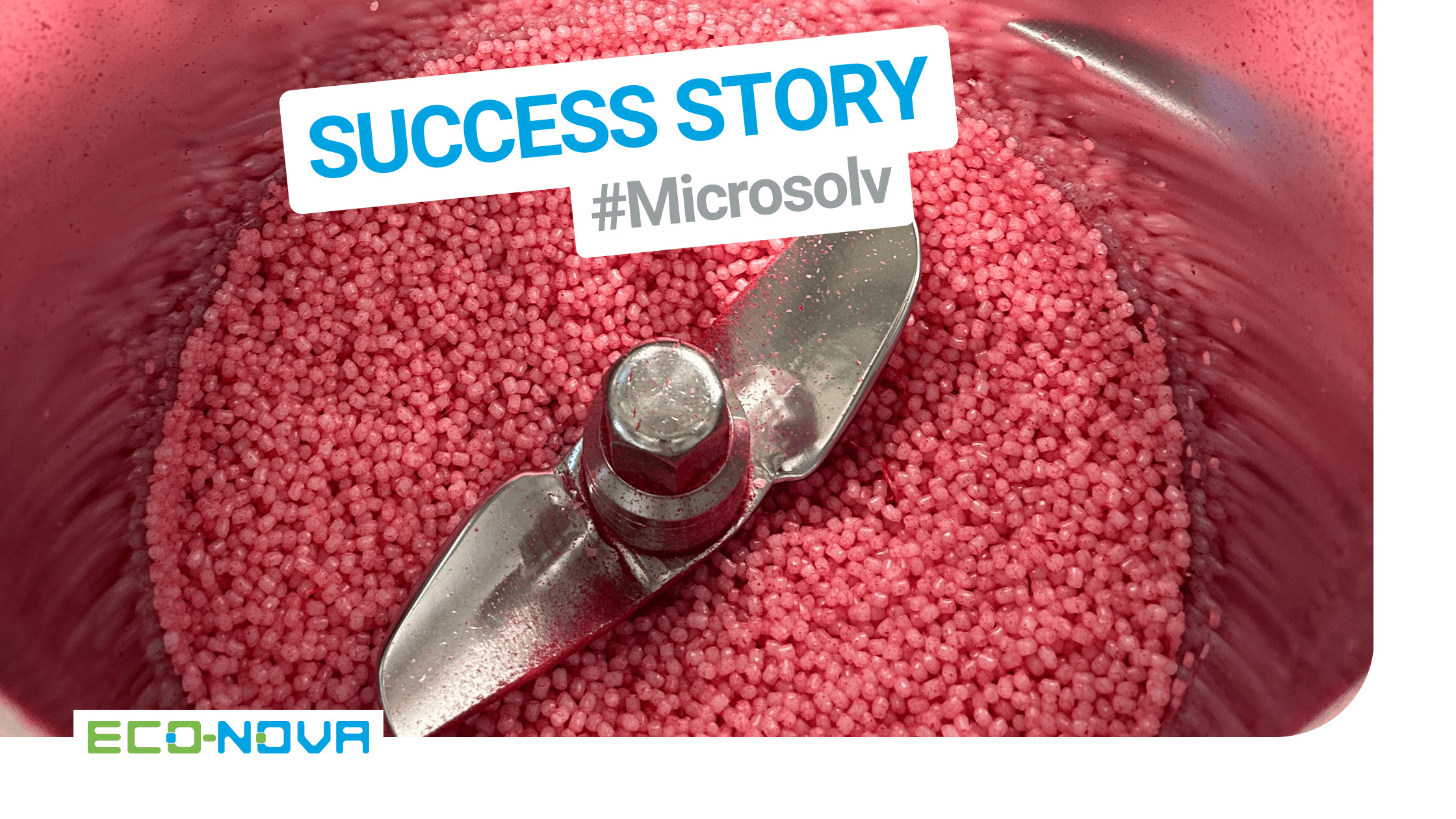
The efficient cleaning of metalworking machines is essential for maintaining product quality and minimising machine downtime. With its Microsolv NX cleaner, Eco-nova offers an innovative solution that has been specially developed for use in the metalworking industry. This practical example shows how a customer was able to optimise its cleaning processes and reduce its environmental impact at the same time by introducing Microsolv NX.

Eco-Nova is committed to the German-Dutch exchange programme

Why is the German-Dutch exchange important?

More than five thousand Dutch companies have branches in Germany, where the demand for German-speaking Dutch nationals is high. But German companies on the other side of the border, in Germany itself, are also looking for Dutch nationals to fill their vacancies. A good knowledge of German makes applicants six times more attractive on the labour market. Unfortunately, these career opportunities are often underestimated and the importance of the German language only really becomes apparent later in professional life, especially in the border region.

Politicians were also in favour of German-Dutch cooperation

The German-Dutch Chamber of Commerce (DNHK) emphasises the particular importance of the German language in the border region, where trade between the two countries is visible on many levels. Cross-border cooperation in culture and politics is also emphasised as valuable. Missing out on opportunities due to a lack of German language skills is seen as particularly regrettable.

Eco-Nova's contribution to understanding in the border region

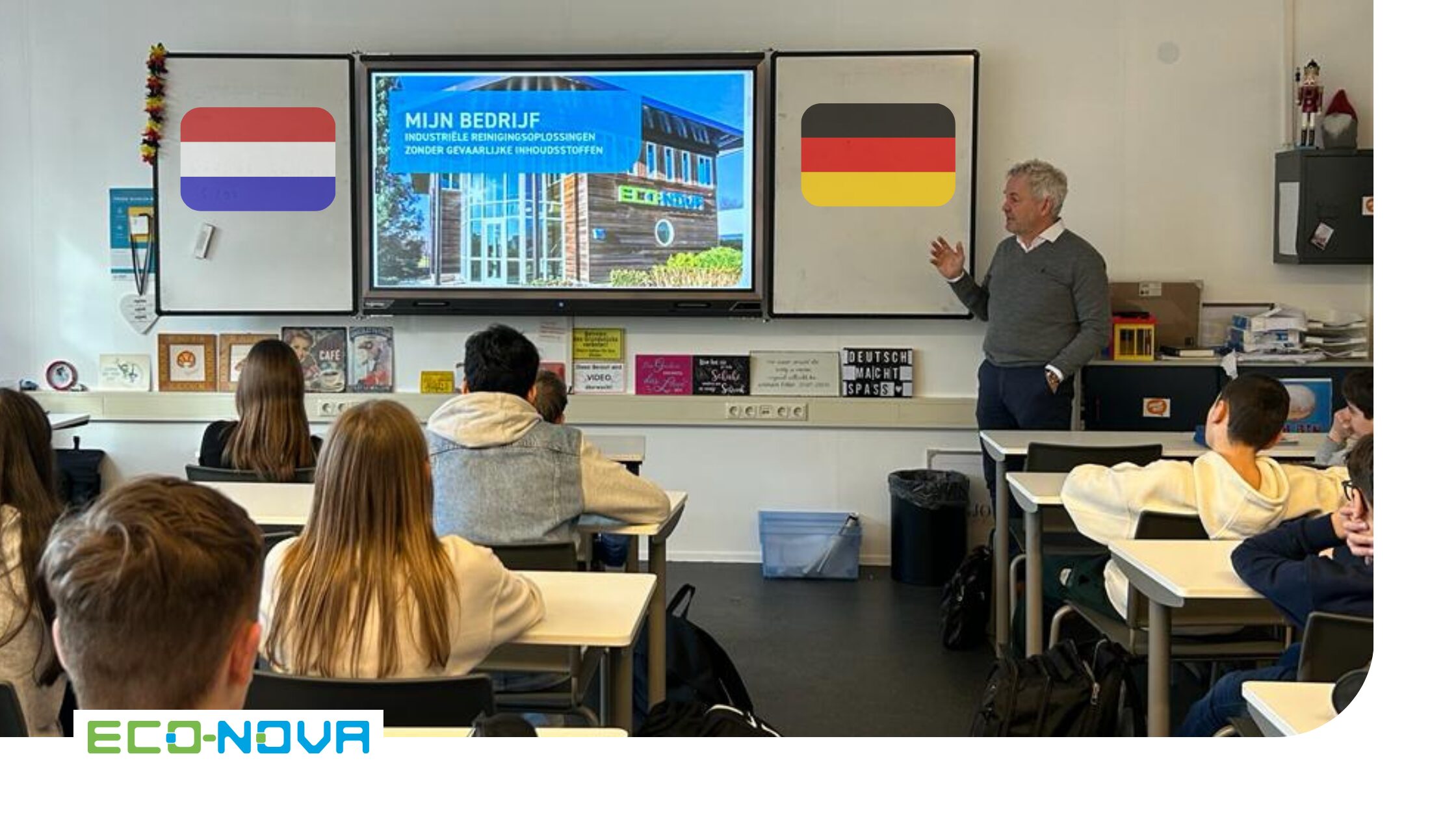
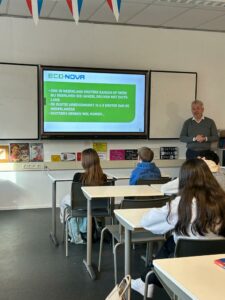
Today, #RudideLeeuw from #econova taught two secondary school classes from #bonhoeffercollegeessinkweg about the importance of learning German language and culture in the Twente region. He shared his experiences from 31 years of entrepreneurship in Germany. He has been an entrepreneur with his company in Schüttorf, Lower Saxony, since 1993. He particularly emphasised the value of the German language and culture in the world of work. The students had the opportunity to ask questions, which led to an educational afternoon. This initiative was co-organised by #duitswerkt and German teacher Nardy Tiehuis. Rudi, who has been speaking German daily for more than 30 years, shared his views and experiences on the crucial importance of the German language for young people in the border region, where trade, co-operation and opportunities are tangible on many levels. He also emphasised that knowledge of German also provides the opportunity to find a good job just across the border in Germany.

Health-conscious cleaning in industrial companies: Why avoiding VOCs is crucial

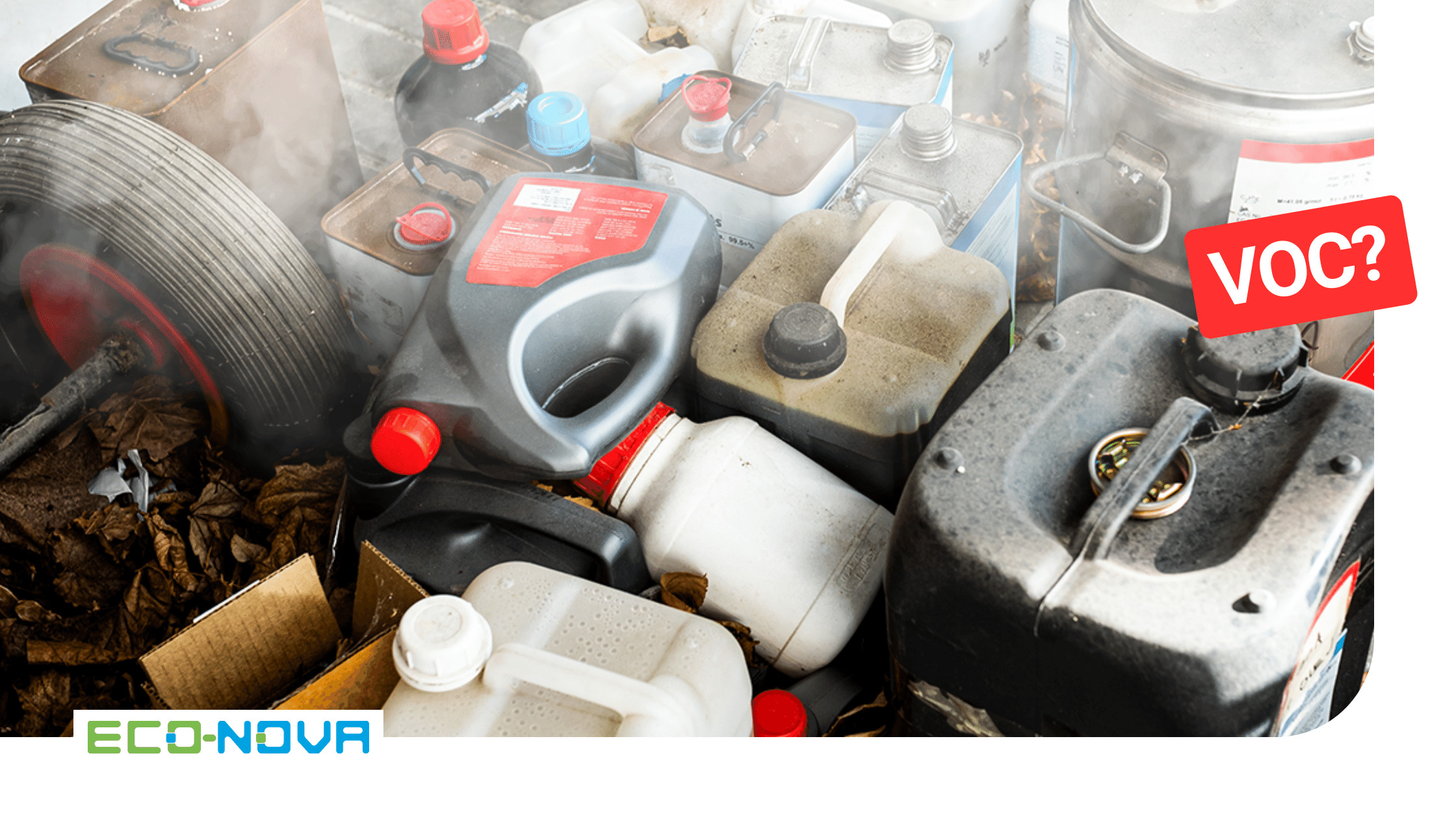
In industrial cleaning, efficiency and performance are key factors. But while companies often rely on high-performance cleaners, it is often overlooked that many of these products can contain volatile organic compounds (VOCs), which can affect not only the health of employees, but also the environment.

VOCs in industrial cleaning: The underestimated danger

  1. Employee health: Industrial cleaning agents containing VOCs can lead to poor air quality in enclosed spaces. Long-term exposure can lead to respiratory problems, headaches and other health complaints among employees.
  2. Environmental impact: The release of VOCs contributes to air pollution and, in combination with other industrial emissions, can lead to significant environmental impacts.
  3. Regulatory requirements: More and more countries are tightening their environmental regulations and setting limits for VOC emissions. Companies that do not switch to environmentally friendly cleaning agents risk legal consequences and fines.

The solution: VOC-free cleaners for industry

  1. Effectiveness without compromise: Modern VOC-free industrial cleaners are just as powerful as their conventional counterparts. Advanced formulas provide thorough cleaning without harmful side effects.
  2. Occupational safety: VOC-free cleaning agents help to improve working conditions and minimise the risk of health complaints among employees. Healthy employees are more productive and contribute to a positive working environment.
  3. Environmental friendliness: Companies that switch to VOC-free cleaning agents are demonstrating an environmentally conscious commitment. This can not only strengthen the company's image, but also help to fulfil regulatory requirements and avoid potential penalties.

Conclusion: Sustainable cleaning for sustainable success

Industrial companies are faced with the challenge of finding high-performance cleaning solutions that simultaneously respect the health of employees and minimise environmental impact. Switching to VOC-free cleaning products is not only an ethical decision, but also a strategic investment in the future of the organisation. It's time for the industry to rethink its cleaning practices and pave the way for a healthier, more sustainable future.

Sustainable cleaning in the industry: Why it is important to avoid hazardous substances

A clean production process is not only crucial for the quality of the end products, but also for the safety and health of employees and environmental protection. In industrial cleaning, however, many cleaning agents are associated with hazardous substances that can pose considerable risks to people and the environment. This blog post looks at the reasons for avoiding hazardous substances in industrial cleaning and why switching to safe cleaners is a sustainable choice.

1. protect the health of employees

A key aspect in the selection of cleaning agents is the health of employees. Many conventional cleaning agents contain hazardous chemicals that can cause respiratory problems, skin irritation and other health problems. The use of safe cleaners minimises the risk of damage to health and creates a safe working environment.

2. CLP labelling and transparency

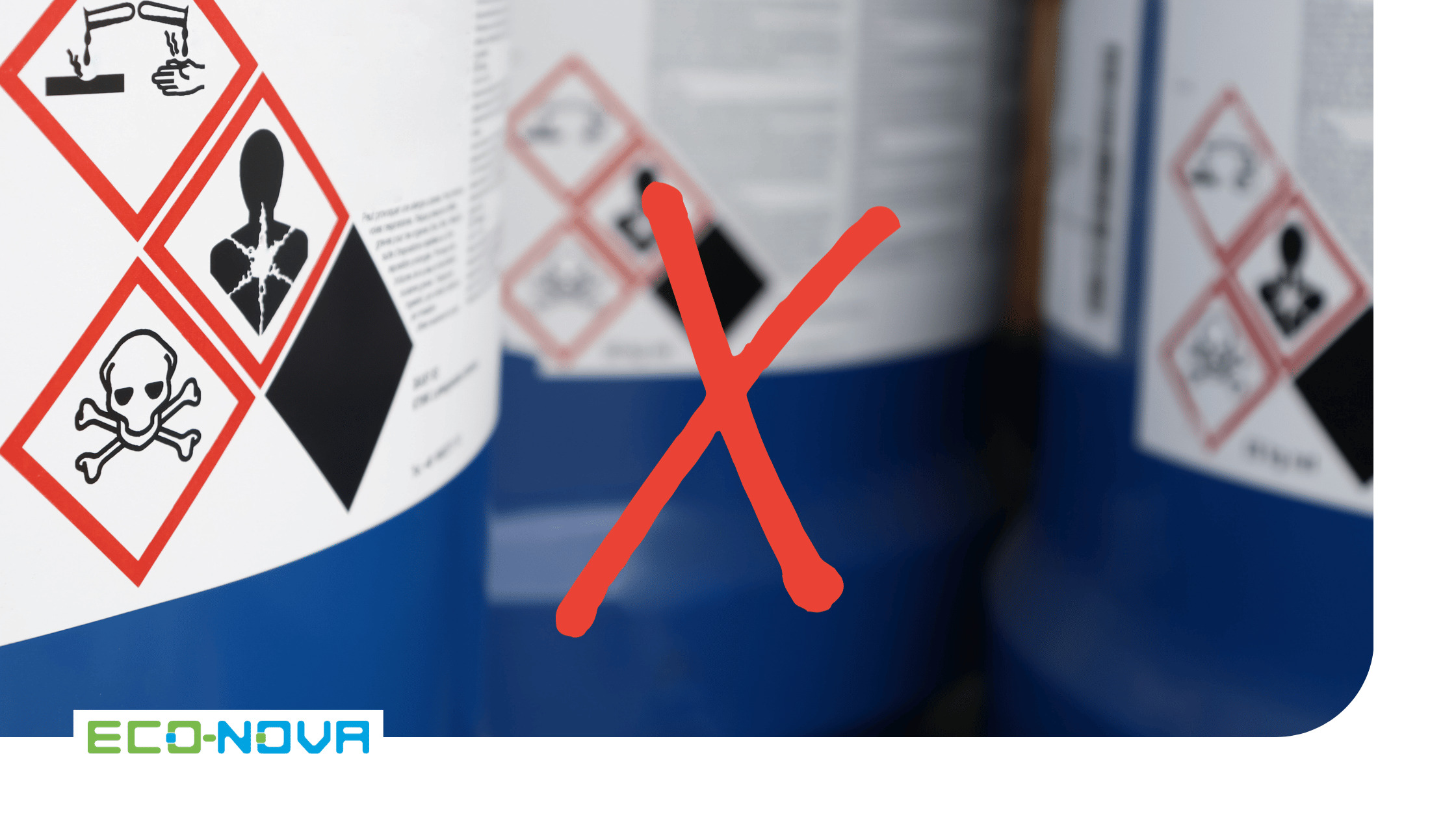
The CLP Regulation (Classification, Labelling and Packaging) lays down uniform rules for the classification, labelling and packaging of chemicals throughout Europe. Hazardous substances are often labelled with hazard symbols and H and P phrases. Switching to safe cleaners often means that products with minimal or no CLP labelling are used, resulting in greater safety. In addition, you often save on the purchase of expensive storage equipment. Fire protection, personal protective equipment or other mandatory storage items are no longer required if you dispense with hazardous substances.

3. environmental protection due to low VOC content

Volatile organic compounds (VOCs) are volatile organic compounds that can not only impair indoor air quality, but also contribute to the formation of ground-level ozone and thus to environmental damage. Many conventional cleaning agents contain high levels of VOCs. By using environmentally friendly cleaners with a low VOC content, companies can actively contribute to environmental protection.

4 Sustainability and corporate social responsibility

In the age of sustainability and corporate social responsibility (CSR), it is important for companies to minimise their environmental impact. Switching to safe cleaning products is a step in the right direction to take on ecological responsibility and improve your own sustainability balance.

5 Effectiveness and efficiency

Modern safe cleaning products are often just as effective as their hazardous alternatives without jeopardising the health of employees or the environment. In the long term, companies can benefit from a lower sickness rate, an improved working atmosphere and a positive image, which will ultimately lead to an increase in profitability.

Conclusion

Avoiding the use of hazardous substances in industrial cleaning is not only a protective mechanism for employees, but also a contribution to environmental protection and sustainability. Companies that switch to safe cleaning agents not only demonstrate social responsibility, but can also benefit in the long term from the positive effects on health, the environment and profitability. A conscious choice of cleaning agents therefore makes a significant contribution to creating a safe, healthy and sustainable working environment in industry.

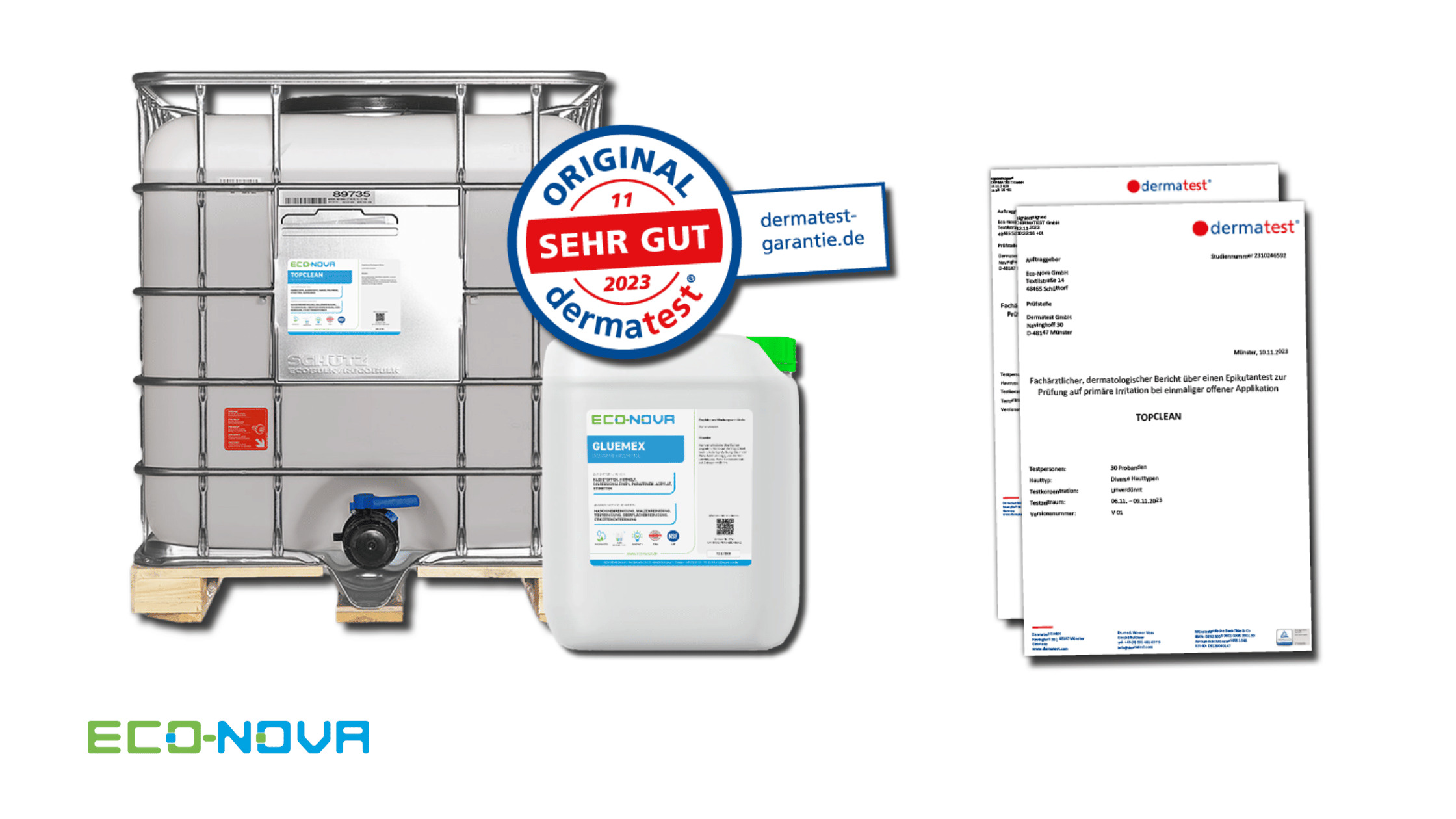
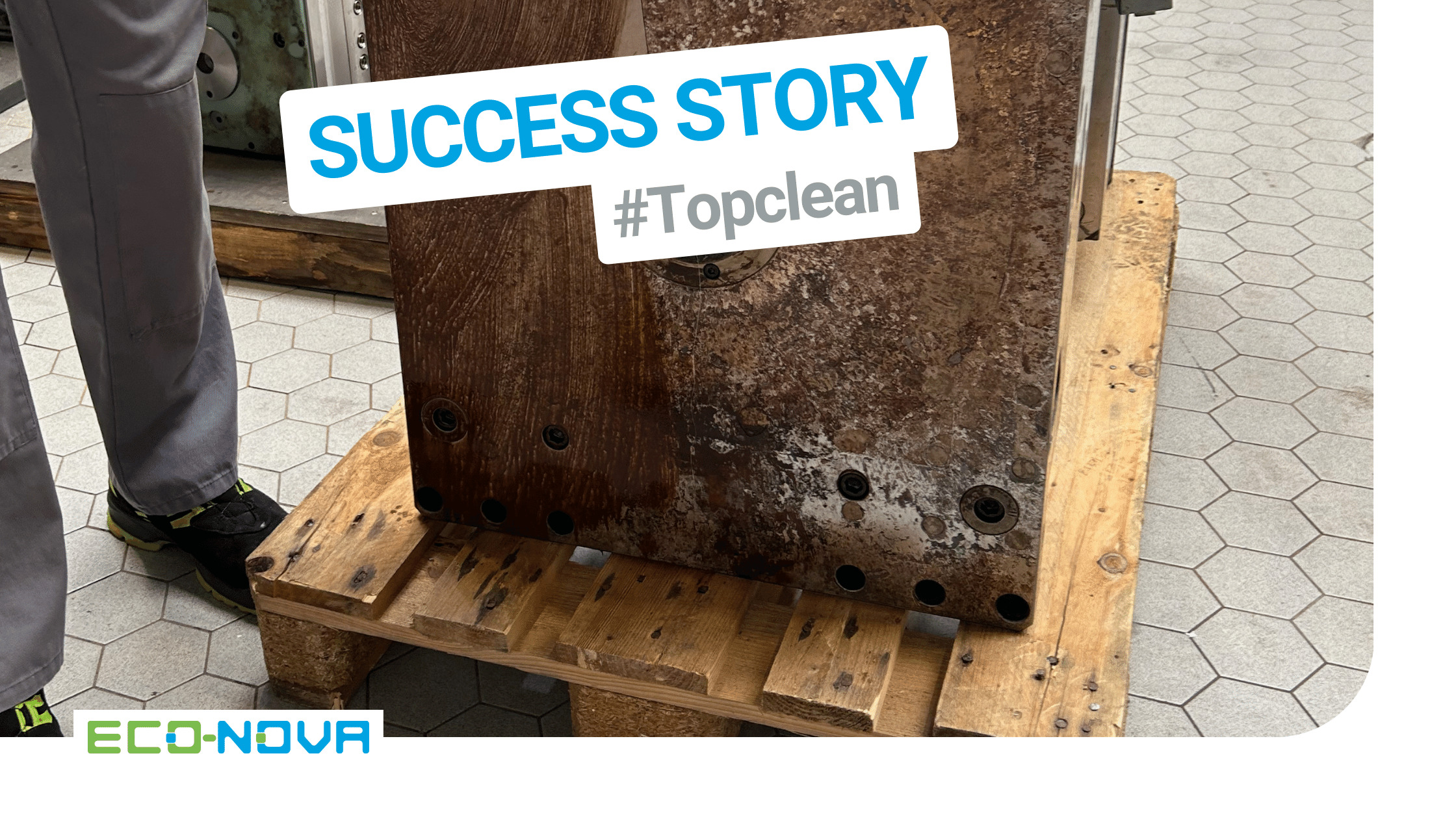
Dermatest - Gluemex and Topclean successfully tested for skin compatibility

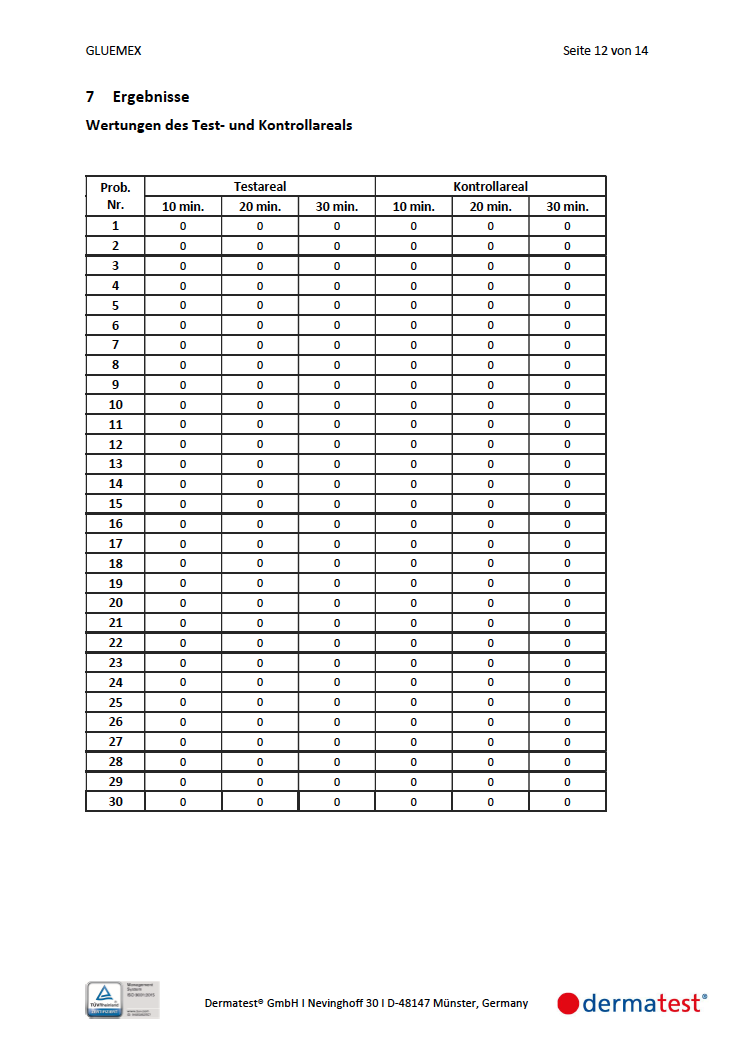
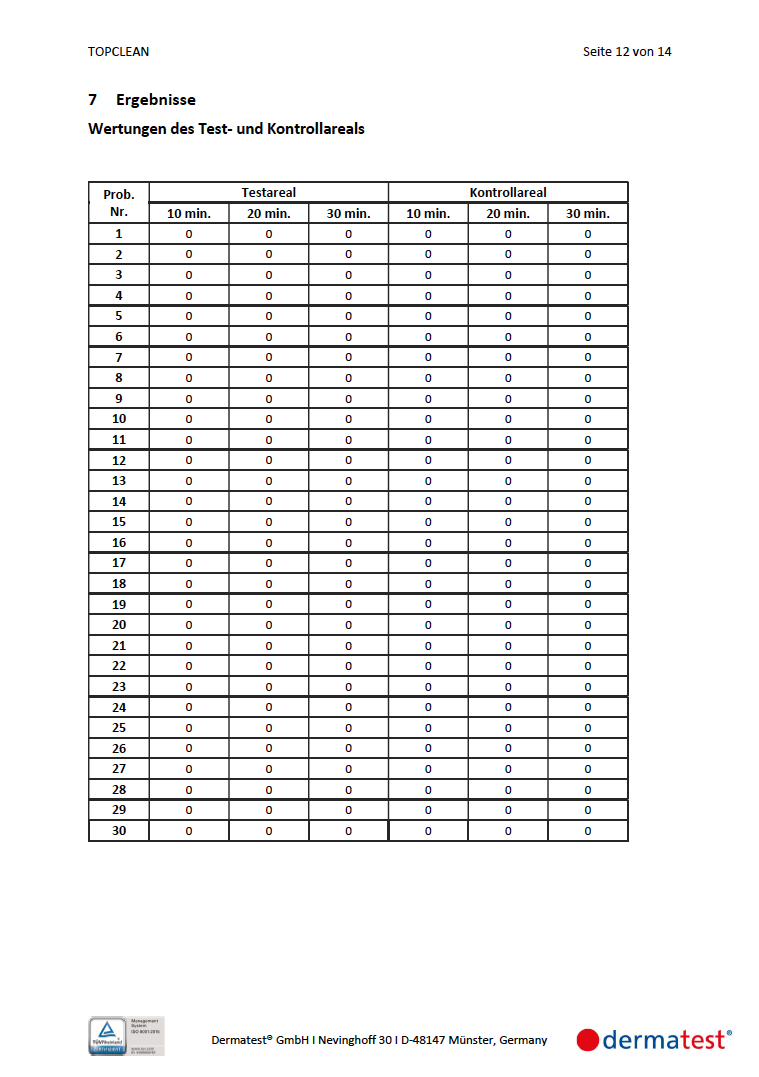
Our industrial solvents without hazardous substances have been independently tested for skin compatibility by DERMATEST. Topclean  and Gluemex were rated „very good“. We are therefore now authorised to use the seal with the rating „very good“ for skin compatibility on our cleaners.

The test was carried out on test subjects who were selected according to strict Dermatest test guidelines. The result shows that cleaning with our solvents Topclean  and Gluemex is safe for the skin of your employees and colleagues.

Would you like to find out more about Dermatest? Then please visit the Dermatest website at http://www.dermatest.de

The detailed test results for Topclean  and Gluemex can be seen in the following pictures.


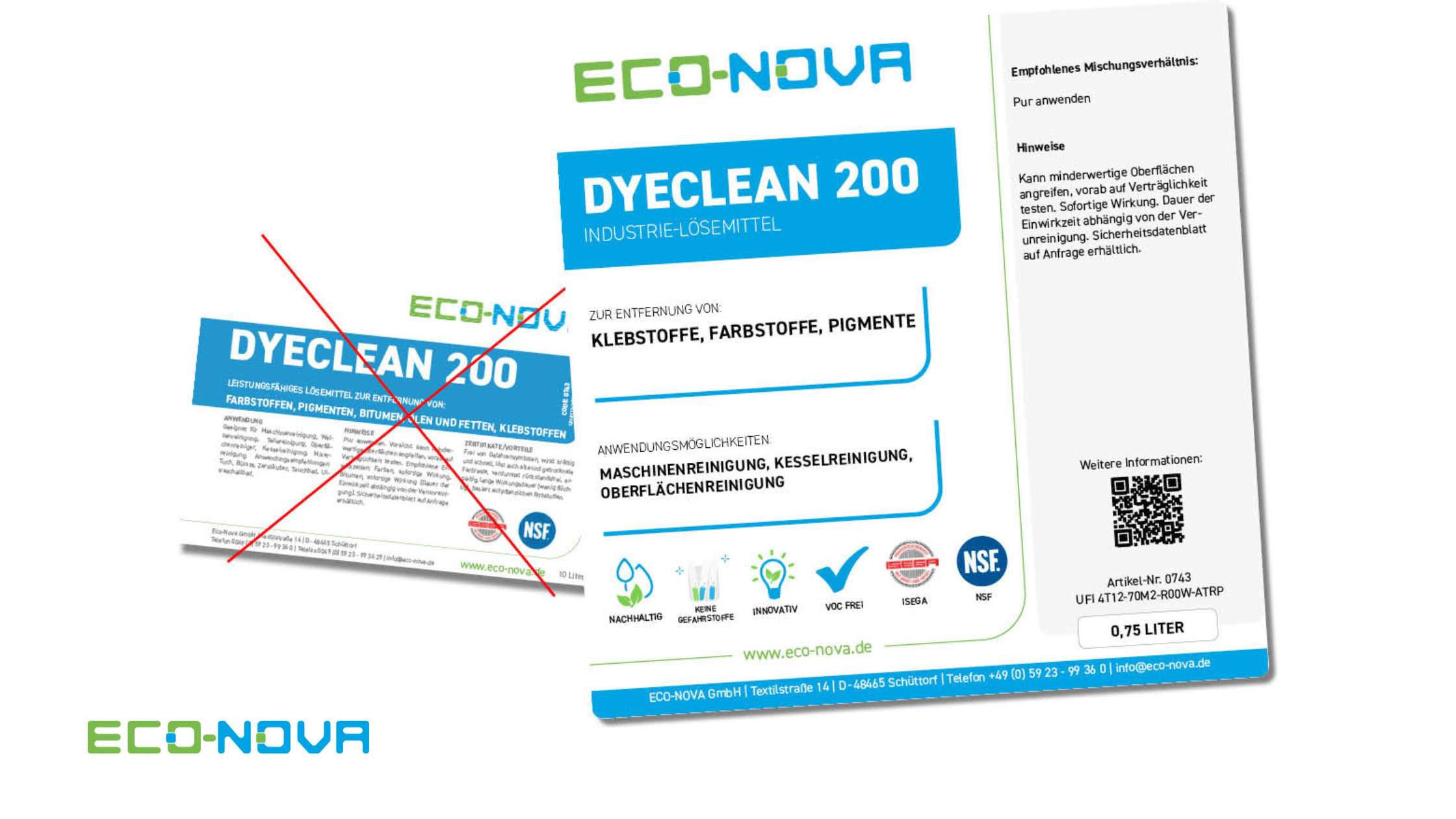
Our new labels - what's changing

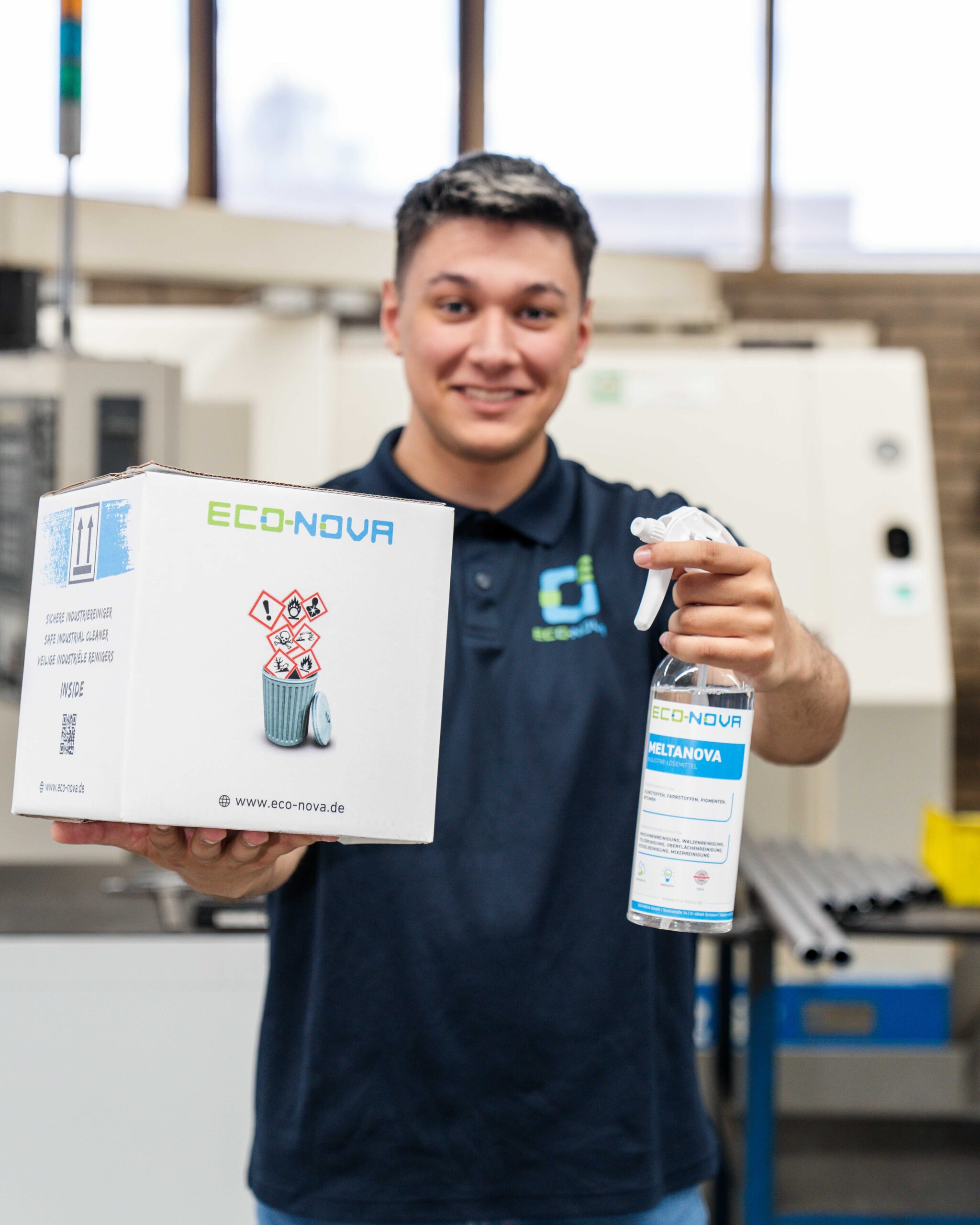
Our cleaners have been sent out with new labels since 1 November. The new labels have been adapted to the current requirements of our customers. The changes include a new clear design, a more compact layout and the placement of the most important properties in prominent positions so that the most important information about our cleaners can be found without having to search for a long time.

These are the most important changes in detail:

New format

Our old labels were in 2:1 format. The format was not compatible with small containers under 20 litres. Our new labels are now square. This allows us to label significantly more containers with a standardised format, meaning that users can always find the information in the same place on the label, regardless of the container size.

New seals & symbols

Our new seals & symbols help to quickly identify which properties and certifications the cleaner fulfils. In addition to test seals, e.g. from ISEGA or NSF for food safety, our ECO-NOVA seals for sustainability, VOC content & more are also placed on the labels. Further information on our ECO-NOVA seals can be found at Industrial cleaner

Important contents

It was particularly important for us to place the most important information prominently. So we asked ourselves, what questions do you ask when using an industrial cleaner? Our answers were: What kind of soiling do I want to clean and which process or surface do I want to remove it from? These two pieces of information are therefore prominently displayed on the new labels.

Notes

In addition to the legally required information, we provide additional instructions for the use of our cleaners. All instructions are listed in a separate area on the right-hand side of the label so that they can be found quickly and easily.

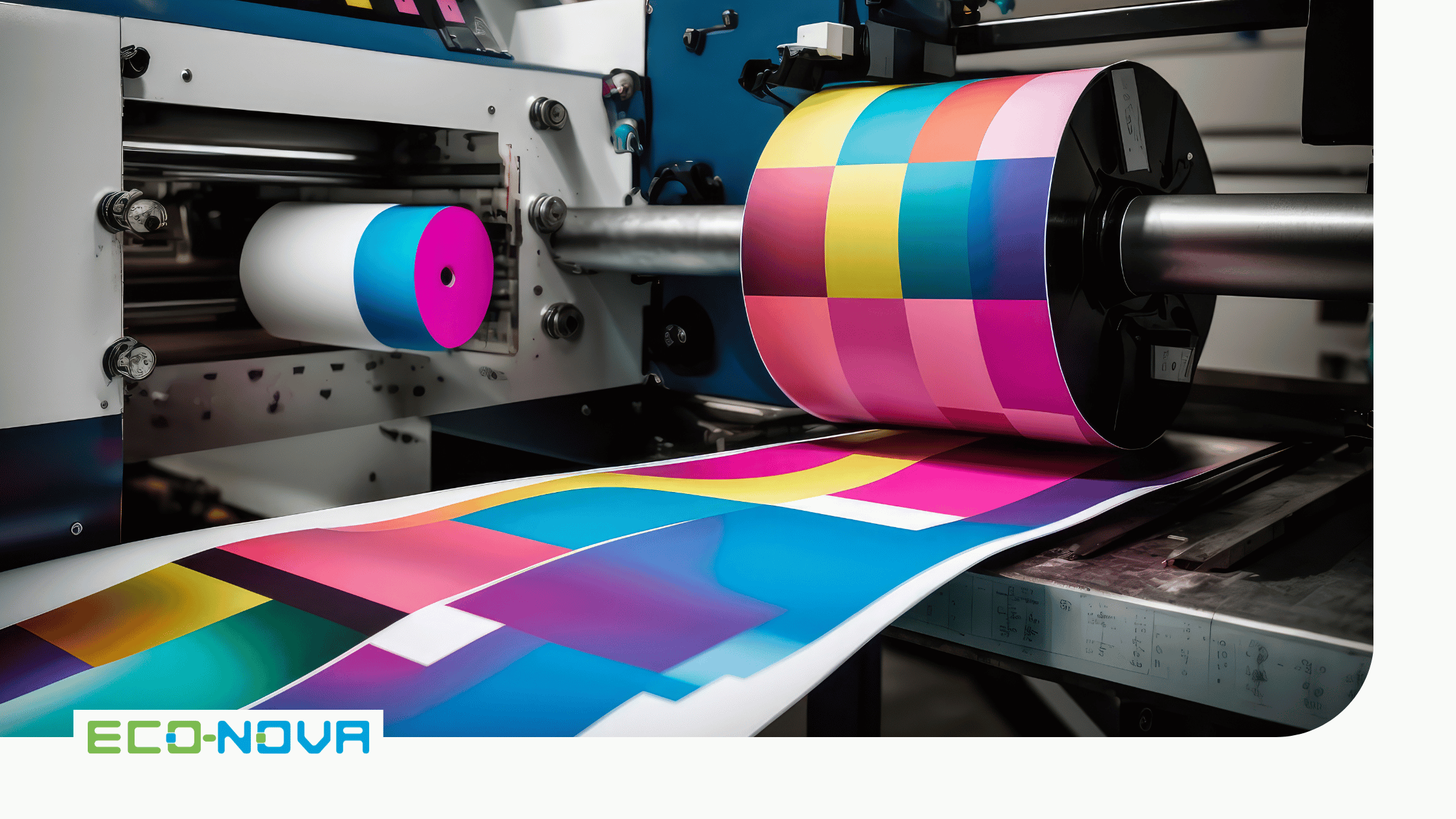
Ink removal on continuous inkjet systems and coding production lines

Coding has become an integral part of our everyday lives. It now touches all areas of life and all industries.

Continuous inkjet systems: Continuous inkjet (CIJ) systems are widely used in the industry. These printers spray ink through a nozzle outlet to create markings on products. They are particularly useful in production lines where codes or other information needs to be printed on fast or continuous belts. They are very versatile and can print on a variety of materials and surfaces.

Coding production line: Coding is very important in a production line. It refers to the application of barcodes, QR codes, dates, batch numbers or other relevant information to the products. These codes can be used for a variety of purposes, such as inventory, traceability, quality control, etc.

Now to the specific sectors you mentioned:

Food and confectioneryIn these industries, accurate coding is critical to ensure that consumers receive important information such as expiry dates, ingredient lists and nutritional information.

Cosmetics and pharmaceuticals: In these industries, coding is particularly important for traceability and ensuring product quality. With the help of coding, pharmaceutical companies can monitor the batch of a particular medicine and ensure that the quality and safety of the products is guaranteed.

Cables and pipesThis industry often uses some form of permanent marking for cables and pipes to indicate important information such as date of manufacture, type, specifications and safety certifications.

Beverages and dairy industryThese industries require strict coding and labelling to ensure compliance with food safety standards. In addition, these codes help to manage the production process and carry out product recalls when necessary.

In all of these applications, continuous inkjet systems and other industrial printing systems can play a key role in the effective coding of products on the production line.

Eco-Nova has a range of cleaning products for ink removal, including Microsolv NX, Plexinova and Topclean. These products provide a safe solution for your cleaning needs that is not only effective but also environmentally friendly. Eco-Nova products are free from hazardous substances and labelling.

Eco-Nova's product range for ink removal offers you the solution for your cleaning tasks.

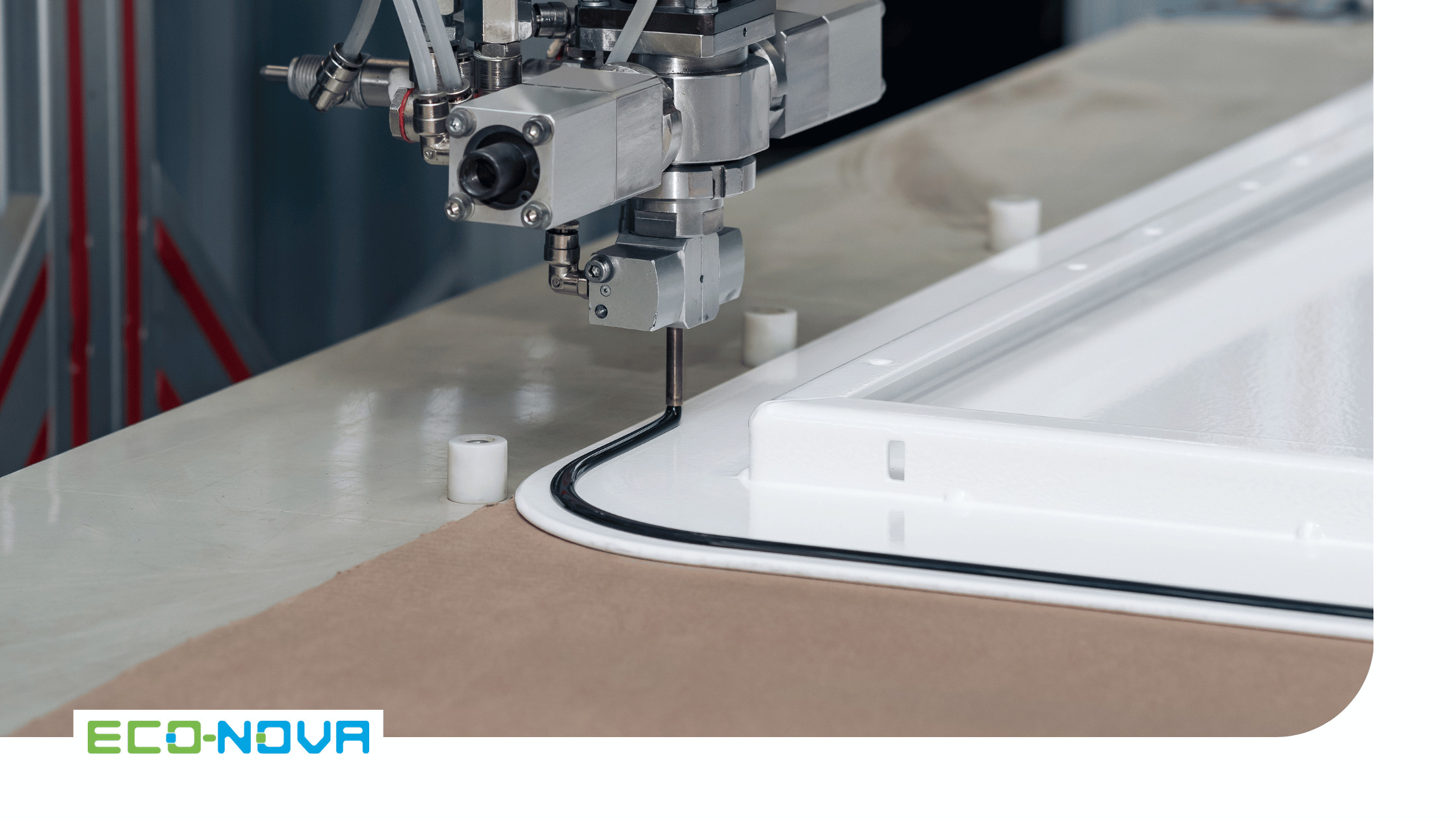
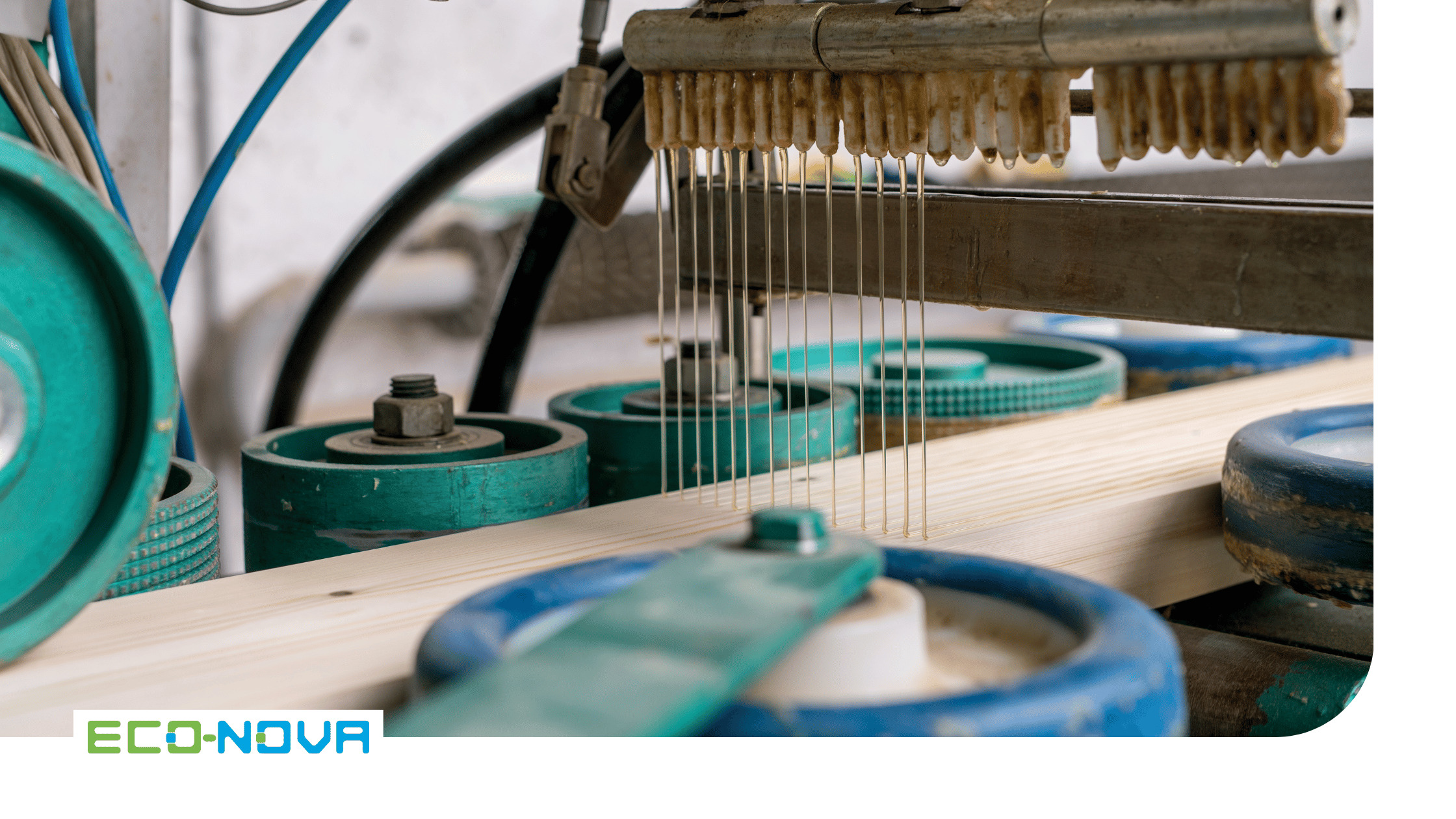
Various adhesives in the industry 

Various adhesives in the industry.


Today, adhesive bonding technology is regarded as the innovative joining technology of the 21st century and the companies in the German adhesives industry - also in the international competitive environment - as technology leaders. Adhesive bonding technology makes a significant contribution to the development of innovative products and offers the industry the prerequisites for opening up new, future-orientated markets in all sectors.

At the beginning of the 1980s, polymer chemists from the adhesives industry worked together with engineers from the automotive industry for the first time in a publicly funded research project to successfully develop and reliably introduce a process for bonding oiled sheet metal in automotive production.

This successful interdisciplinary interaction between chemistry and engineering initiated further projects, systematic research and development. When an accredited personnel qualification system for adhesive processors and manufacturers was introduced in the early 1990s, all the necessary conditions were in place to put the adhesive industry on the road to success as an innovative system partner. The use of adhesive technologies enables small and medium-sized companies to face up to their competition by creating innovative products.

What types of adhesive are there?

Here is a selection of adhesives used in the industry:

  • Epoxy adhesives: With their impressive strength and resistance to chemicals and temperatures, epoxy adhesives are ideal for demanding industrial applications. They provide a reliable bond for metal joints and are perfect for construction projects where high strength is required.
  • Polyurethane adhesives: Versatile and flexible, polyurethane adhesives are ideal for a wide range of substrates such as metal, plastic, glass and wood. They not only offer strong adhesion, but are also impact-resistant and ensure a long-lasting bond.
  • Acrylic adhesives: If you need a fast curing time, high strength and weather resistance, acrylic adhesives are the right choice. These adhesives are ideal for use in the automotive and construction industries, where a reliable bond is required under extreme conditions.
  • Cyanoacrylate adhesives: Cyanoacrylate adhesives, also known as instant adhesives, are unbeatable for quick repairs and bonding. Thanks to their fast curing time and strong adhesion, they are ideal for everyday use and small repair jobs.
  • Silicone adhesives: Silicone adhesives offer flexibility, temperature resistance and excellent adhesion to a variety of surfaces. They are the perfect solution when a flexible connection or reliable seal is required.
  • Hot melt adhesives: With hot melt adhesives, also known as hot melt adhesives, you can bond materials together quickly and strongly. These adhesives melt when heated and offer a quick solution for various applications.

The industrial adhesives mentioned above are just a selection from the wide range of adhesives available. Depending on the specific requirements, there are also specialised adhesives such as metal adhesives, structural adhesives for aircraft construction or conductive adhesives for the electronics industry. When selecting the right adhesive, it is important to consider the requirements of the respective application.

In order to successfully utilise the advantages of adhesive bonding technology compared to other joining methods, the entire process from product planning to quality assurance and employee qualification must be implemented properly. However, this can only be achieved if research and industry work closely together so that the research results can flow quickly and directly into the development of innovative products and production processes.

One of the tasks of the Industrieverband Klebstoffe e.V. is to promote this development in order to increase the use of adhesive bonding technology in all areas. As a member of the board of the DECHEMA specialist group “Adhesive Bonding Technology” and the “GAK” (Joint Committee for Adhesive Bonding), the Industrieverband Klebstoffe supports the coordination of publicly funded research projects in the field of adhesive bonding technology.

The potential of the adhesives industry has not been exhausted in terms of technology or the market. There are clear opportunities for growth in the future - be it in the direction of removable adhesive bonds or adhesives taking over functions that were previously performed by other materials.

Eco-Nova has developed various cleaning products without hazardous substances (not subject to labelling) to remove adhesive residues:

Dyeclean 200, Gluemex, Topclean and Microsolv NX. Please contact the Technical consulting team.

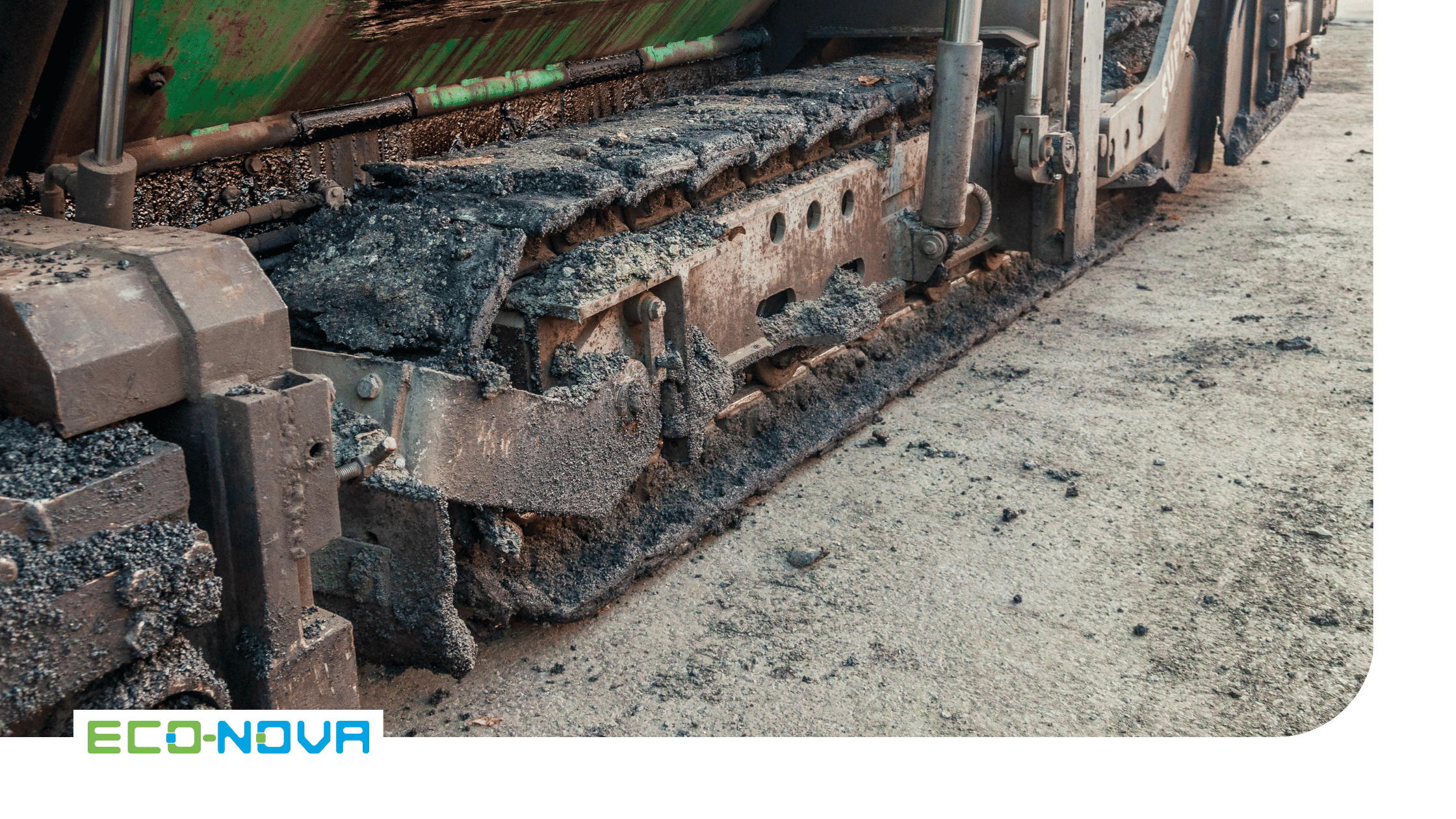
Removing and cleaning asphalt on construction machinery

The maintenance and cleaning of construction machinery is an essential part of work processes in the asphalt and construction industry. Cleaning asphalt often presents companies with a challenge.

Machines that are often contaminated with tar or bitumen are common:

  • Crawler excavator
  • Motor grader
  • Road rollers
  • Asphalt mixing plants
  • Wheel loader
  • Asphalt paving machines
  • Road grader
  • Shuttlebuggies

Contamination on the machines can reduce efficiency, increase wear or cause corrosion. ECO-NOVA offers a range of safe and effective release agents and solvents, such as. Antistics 100, Bitunova NF, Bituclean and Combisolv TR.

How important is regular cleaning of construction machinery

Regardless of the type of machine - whether it is a motor grader for levelling and profiling, a road roller for compacting asphalt or an asphalt mixing plant - each of these machines should be cleaned and maintained regularly to ensure that they are in good working order.

ECO-NOVA cleaning concentrates and release agents

ECO-NOVA offers a range of safe cleaning concentrates and solvents specially developed for the effective removal of asphalt and bitumen residues from a wide range of machines. Antistick 100 is a release agent or non-stick agent that reduces the adhesion of asphalt to machines such as crawler excavators, motor graders and road rollers. It forms a protective layer that prevents asphalt from sticking and makes cleaning easier. In practice, diesel is still often used as a release agent. However, diesel is a highly environmentally hazardous substance and should therefore no longer be used. With Antistick 100, we offer a much safer release agent. The solvent  Bituclean are used to safely and effectively remove stubborn bitumen residues from machines such as asphalt mixing plants, asphalt paving machines and road levelling machines. Combisolv TR is a versatile cleaner that can remove both asphalt and bitumen, ideal for machines such as shuttlebuggies and wheel loaders.

Anti-adhesion solutions for lorries

Transporting asphalt by lorry in the asphalt industry is often a challenge: Asphalt sticks to the loading areas of lorries. This can make unloading difficult and lead to unnecessary waste of material. In addition, cleaning this sticky residue can be time-consuming and difficult. ECO-NOVA offers with Antistick 100 an effective non-stick agent specially developed to reduce the adhesion of asphalt to surfaces. When Antistick 100 is applied to lorry loading areas, it forms a barrier between the asphalt and the surface of the lorry. This prevents the asphalt from sticking to the lorry, enabling smoother unloading and significantly reducing cleaning time. Through the use of Antistick 100 not only enables companies in the asphalt industry to organise their work processes more efficiently, but also to extend the service life of their trucks and reduce the need for frequent, thorough cleaning.

Technical support and customer service

If you require comprehensive technical support or have questions about the use of these products on specific machines, please contact our Technical consulting team. We will be happy to assist you with any questions you may have.

In practice

Many companies are already benefiting from the advantages of ECO-NOVA cleaning solutions. Cleaning processes are improved, the safety of employees is increased and, at the same time, more environmentally conscious action is taken. The positive experiences and feedback from the field confirm the effectiveness and reliability of ECO-NOVA cleaners. Thanks to ECO-NOVA cleaners, construction machinery, road pavers, asphalting machines etc. can be cleaned safely and effectively without having to resort to hazardous chemicals.

Cleaning of adhesives

Cleaning adhesives can be a difficult task.

Different types of adhesives require different methods and solvents for effective removal. Adhesives can leave stubborn residues on surfaces such as glass, metal, plastic or fabric that are unsightly. Functionality can be impaired as a result. Below you will find some common methods and tips for cleaning adhesives:

Determine the type of adhesive: Before attempting to clean the adhesive, you should determine the type of adhesive used. Common adhesives include:

  • Two-component construction adhesives
  • One-component construction adhesives
  • Hot melt adhesives or hotmelt
  • Reactive PUR hotmelt adhesives (polyurethane-reactive)
  • Solvent and water-based adhesives


Different adhesives may require different cleaning methods

Heat: Certain adhesives can be softened by heat, making them easier to remove. You can use a hairdryer or heat gun on a low setting to heat the adhesive. Once the adhesive is softened, carefully scrape it off with a plastic scraper. Be careful not to damage the surface.

Scraping tools: For more stubborn adhesives, you may need to use scraping tools. Plastic scrapers as well as cloths can be used to carefully scrape or clean the adhesive. Be careful not to scratch or damage the surface.

Solvent: There are many adhesive removers and solvents available on the market that have been specially developed for dissolving and removing adhesives. However, these are usually subject to labelling requirements and contain hazardous substances such as isopropanol, acetone or ethylene glycol. In the ECO-NOVA portfolio, you will find safe adhesive removers that do NOT require labelling and are free from hazardous substances such as. Gluemex, Topclean or Dyeclean 200.

Always remember to test a solvent on a small and inconspicuous area first to ensure that it will not damage or discolour the surface. Remember to always read the instructions when using ECO-NOVA cleaners or adhesive removers. Consider the surface condition to avoid damage to the material.

Interview with Easy Engineering Magazine

In an interview with Easy Engineering, Rudi de Leeuw, Managing Director of ECO-NOVA GmbH, talks about market trends and innovative products.


ECO-NOVA listens to customers' questions and problems, responds immediately and finds real solutions. The company sets itself high standards in terms of quality and responsibility. This makes it a pioneer in product strategy in Europe and worldwide. Easy Engineering spoke to Rudi de Leeuw.


Easy Engineering: Briefly describe your company.

Rudi de Leeuw: ECO-NOVA GmbH can look back on over 30 years of company history this year. At our site in Schüttorf, in Lower Saxony near the Dutch border with North Rhine-Westphalia, we develop and produce innovative cleaning agents for industrial customers. Our aim is to develop safe cleaning solutions that are free from hazardous substances and yet highly effective. We are not chemical engineers in the traditional sense, but rather Developer in the field of sustainable cleaners for industry.

In our production facility, we fill cleaners in ready-to-use containers of up to 1,000 litres. We help our customers to solve cleaning problems and are often part of the production process. Our core expertise includes identifying individual cleaning requirements and developing a solution in close and personal consultation with our customers. On the way to solving a cleaning problem, we rely on existing cleaners and on the development of customised formulations. We are constantly adapting our cleaners to the needs of the market and our customers. Our aim is to always do without hazardous ingredients or to minimise them.


E.E: What are the company's main areas of activity?

R.d.L: We supply large industrial and commercial customers throughout Europe with our cleaning solutions and act as consultants through to the development and production of a customised solution. When developing new cleaners, we succeed in replacing established but labelled cleaners with innovative cleaners based on natural or safe raw materials.


E.E: What's new with the products?

R.d.L: What is new for us is not the product, but the process for solving a challenge for the customer. We rely on existing recipes and formulas as well as completely new product developments. Our products define themselves as new in that they solve cleaning problems that our customers have never had before. Equally, it sometimes leads to an age-old problem being removed with a cleaning solution that is already in our portfolio. We develop new products in close co-operation with our customers and suppliers.


E.E: What product ranges are available?

R.d.L: The areas of application for our Products is very diverse. When developing our cleaners, we rely on safe and natural raw materials that offer outstanding cleaning performance for the relevant areas of application. Our range includes solutions for many different types of industrial soiling. We have developed our cleaners for sectors such as the chemical and raw materials industry or in the field of finished plastic and metal parts. Our cleaners are also used in the packaging and food industry and we remove bituminous contaminants, tea or asphalt in road construction, mixing plants or industrial product plants. Our experience in various industries helps us to replace established cleaners that require labelling with innovative cleaning solutions that contain no or only a few hazardous substances. Many of our cleaners are based on natural and safe raw materials. Many of our products are ISEGA or NSF certified.

As a rule, switching to our cleaners not only improves occupational safety for employees, but also reduces the environmental impact due to fewer pollutants. In addition, the majority of our cleaners contain no or very few VOC substances.


E.E: At what stage is the market in which you are currently active?

R.d.L: The market has been in a constant state of flux for over 30 years. Laws and regulations regarding the handling of cleaners or their ingredients are changing fundamentally. The industry is looking for sustainable and safe cleaning solutions and demand is increasing. The competition is pushing onto the market with a multitude of cleaners for a wide range of applications. However, we always try to look ahead and be one step faster than others. We rely on a compact company size and our functional teams work very closely with our customers. This enables us to guarantee a very fast service and respond within 24 hours.

The demand in the market for safe and effective cleaners is increasing. We utilise the market conditions and have positioned ourselves where customers looking for solutions for their processes will find us as consultants, developers and producers.

E.E: What can you tell us about the market trends?

R.d.L: Checking the cleaning results and processes is very important in production and trade. It is therefore not surprising that many companies are looking for improved, ecological and symbol-free cleaners. We are experiencing strong demand in the area of label-free cleaner and strongly believe that this trend will continue in the coming years.


E.E: What are the most innovative products being marketed?

R.d.L: In many industrial applications, cleaners are used that contain hazardous substances and therefore pose a challenge for safe and environmentally conscious work. Our products come without
hazardous substances and at the same time have an enormously high cleaning effect. In our view, this is an innovation in itself.

In addition, our Products are used in industries that initially suggest that the impurities present there can only be cleaned with “harsh substances“. However, our cleaners have excellent cleaning properties for bituminous or asphalt contaminants, are highly effective in cleaning polymer cracking in the masterbatch industry or dissolve dyes and pigments in the printing sector or roller cleaning. ECO-NOVA cleaners are certified for the food industry by ISEGA and NSF. The industrial areas of application are very diverse and our cleaners are often a novelty when our customers use them for the first time.


E.E: What are your predictions for 2023?

R.d.L: We expect our company to continue to grow in 2023. We have reorganised ourselves in the area of consulting so that our customers can be supported in all matters by the newly established functional teams. We are responding to the changes in the market and assume that our customers will benefit greatly from the reorganisation and that we will work closely together.




Request a sample package now

Free samples

Send us your enquiry. We will get back to you. In a non-binding initial consultation, we will assess which cleaners are potentially suitable for your application and put together a free sample package for you.