






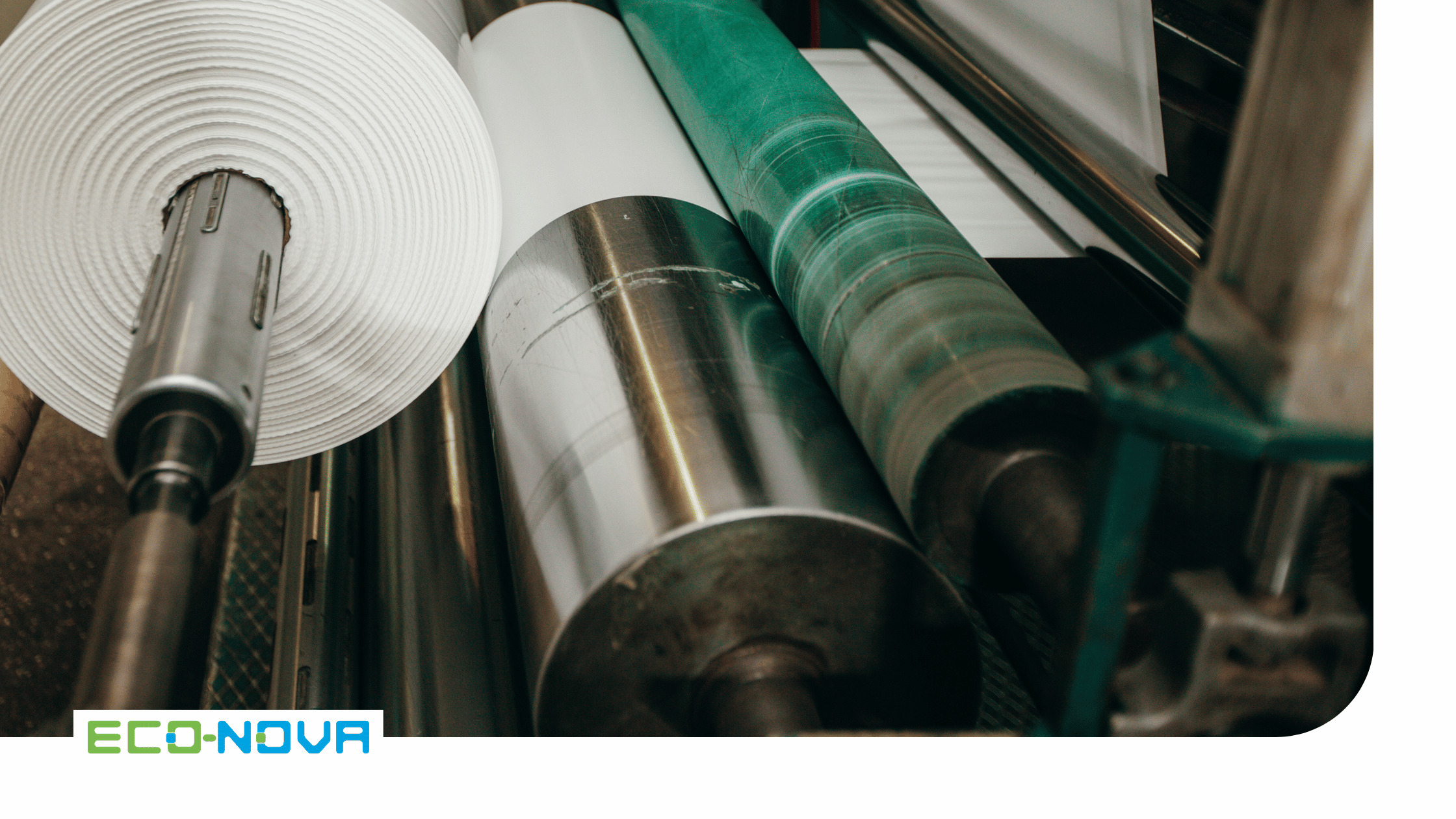
Cleaning rollers in the industry

There are various methods for cleaning rollers in the industry.

Acetone is often used to remove various dirt, cracks and impurities. However, this can be dangerous and cause health problems if the solvent is not used properly and carefully.

Acetone is a commonly used cleaning agent in industry. This solvent contains the H-phrase „H314“ which warns of harmful effects on the respiratory tract and skin. To minimise or avoid these risks, businesses should use cleaners without acetone. One of the most common alternatives to acetone is Methanol. Like acetone, methanol also contains hazard symbols such as the hazardous substance pictogram GHS 05 for skin irritation (corrosive), but it has a less toxic effect on the skin and respiratory tract. In addition, it should be noted that methanol is toxic if drunk, so appropriate precautions should be taken.

Many substances are not harmless

Another substance that is used instead of acetone is Ethylene glycol. This cleaning agent contains hazard symbols such as the exclamation mark (GHS07) and the hazard statement „H315 - Causes skin irritation“. This ingredient has a less toxic effect on the skin and respiratory tract than acetone or methanol. In addition, ethylene glycol is not toxic when drunk. However, it should be noted that it is corrosive, so appropriate precautions should be taken. Another option that is often used for roller cleaning in industry is Isopropanol (IPA). This substance also contains hazard symbols, but it has a less toxic effect on the skin and respiratory tract than acetone or other alternative products. Isopropanol is also non-toxic when drunk. It is also corrosive, but not as corrosive as ethylene glycol.

Acetone, ethylene glycol or Isopropanol, These materials or ingredients are not harmless and can lead to various negative scenarios.

Safe cleaning without hazardous ingredients

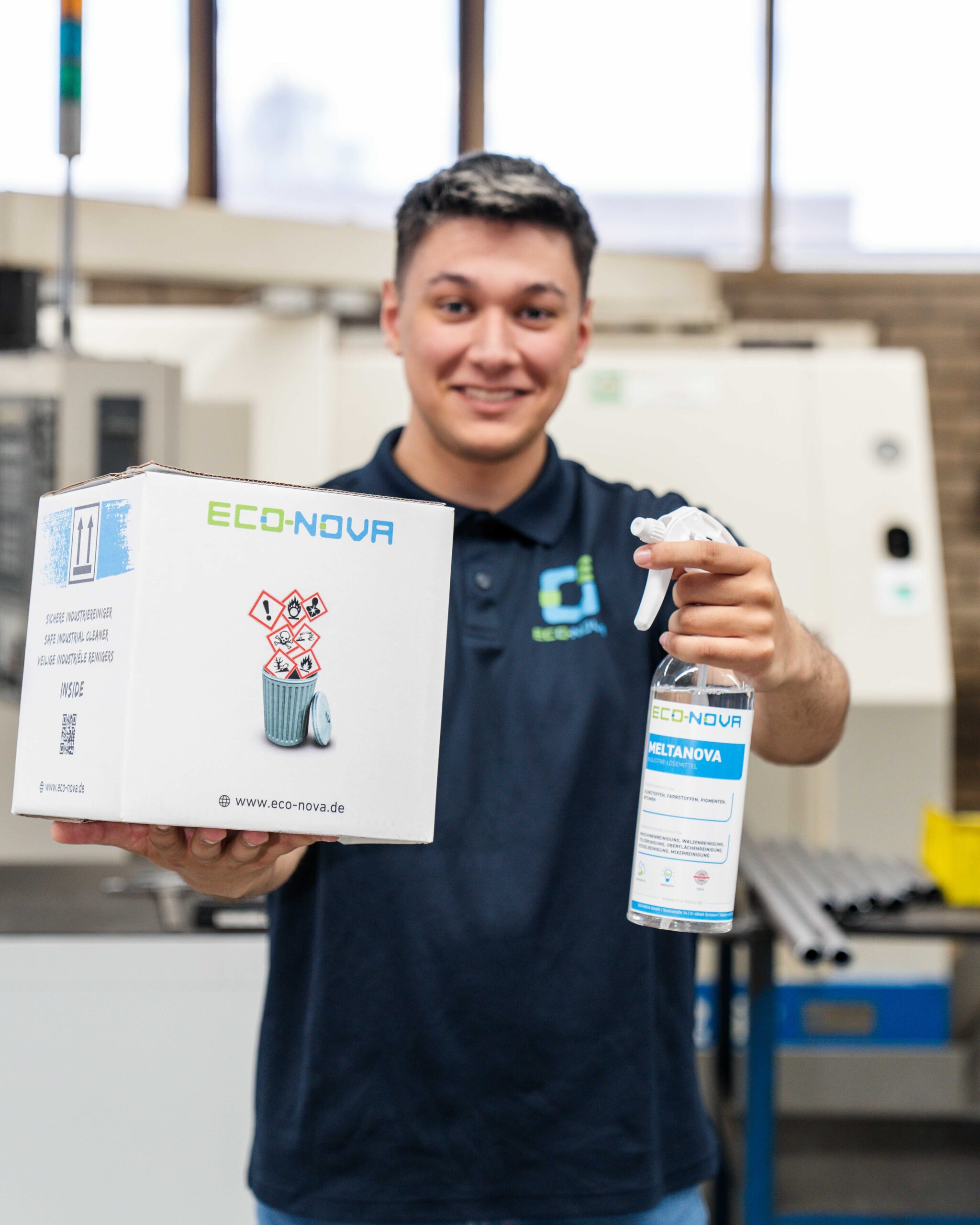
Industrial companies looking for a safe and effective method of cleaning rollers will find ECO-NOVA cleaners a practical solution without having to use cleaning agents containing hazardous substances. This type of symbol-free cleaner offers several huge advantages over conventional acetone or similar based products. One of the biggest advantages is safety. Acetone, for example, contains toxic substances that can be harmful to human health if used incorrectly. It can also cause serious explosions if it comes into contact with other chemicals. Therefore, companies must follow strict safety rules when handling acetone-based cleaners.

With ECO-NOVA Cleaning solutions without hazardous substances However, companies can ensure that their employees do not suffer any damage to their health or that the cleaners could cause explosions if used correctly.

We also achieve outstanding cleaning results with our modern and safe products.
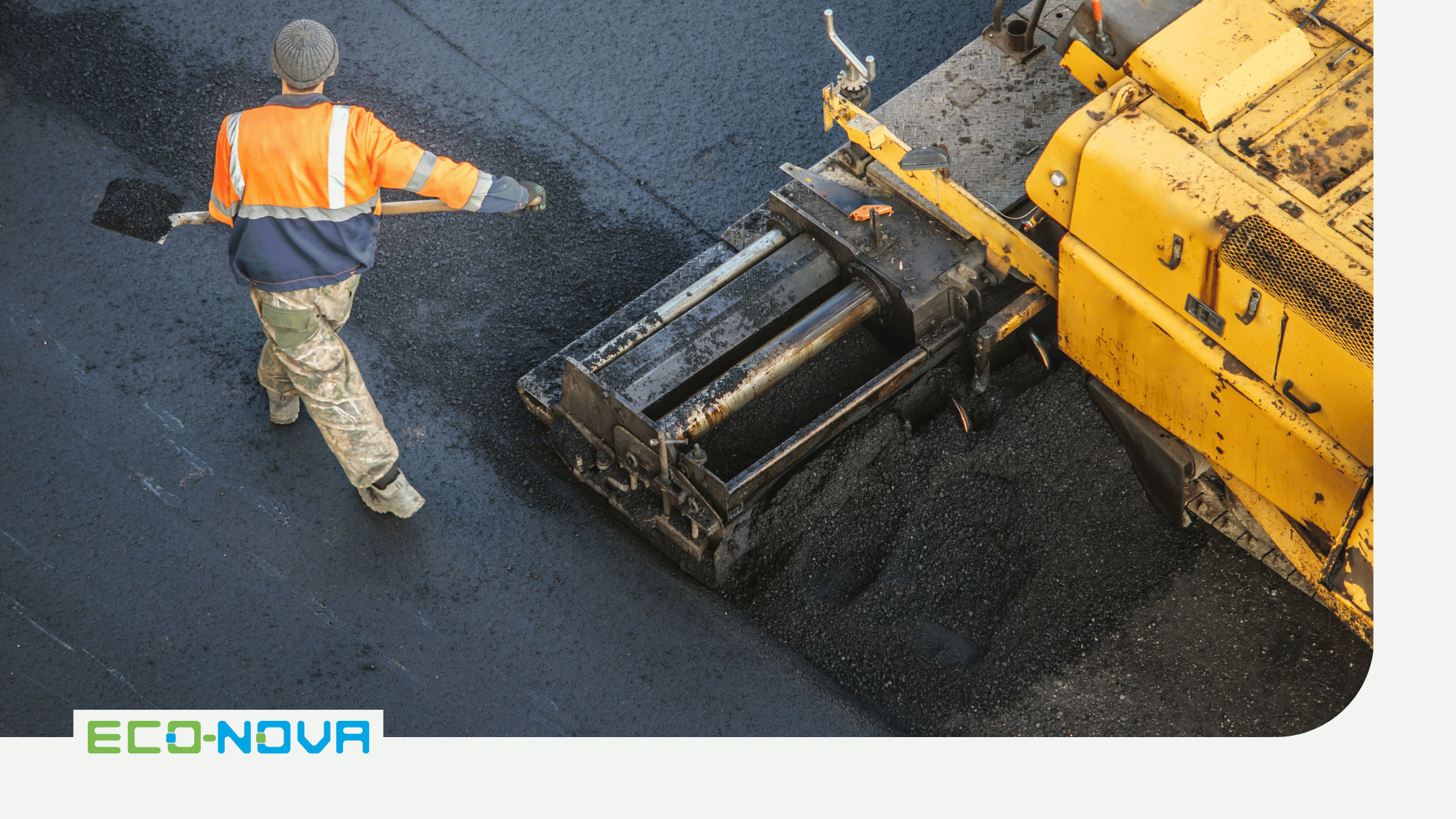
Efficient removal of tar, asphalt and bitumen? Is that possible?

What is bitumen?

Bitumen is one of the oldest mineral oil products. In addition to the possibility of extracting bitumen from crude oil, there is also naturally occurring bitumen. This is also known as natural bitumen. We usually find this complex material as a black, sticky and viscoelastic product. It is obtained from fossil raw materials such as pitch or shale. Bitumen is very solid and has a predominantly rubbery or plastic-like consistency and a characteristic odour. It is often used as a waterproofing material for roofs or as tar or for asphalt roads and is widespread in many parts of the world.

Bitumen is used in many different products, including rubber mats, sealing rings for car parts and toothpaste. But it can also do some heavier work - for example, it can be used as an adhesive or it can be used as a filler material for cracks and holes. Bitumen is used in industry such as road construction, in mixing plants or in production facilities.

How can tar, asphalt or bitumen be removed?

As bitumen is a very robust product, it can be very difficult and time-consuming to remove. The tough and sticky material adheres strongly to the surface. It requires specialised tools and techniques to remove it effectively without damaging the underlying surface. Conventional cleaners used to facilitate the removal of tar, asphalt and bituminous contaminants are usually harmful to the environment. ECO-NOVA's cleaning solutions are an environmentally friendly alternative. At the same time, these cleaners are extremely effective and can be easily disposed of.

There are various methods for removing bitumen, depending on the type of surface and the amount of bitumen to be removed. Some of the most common methods are

Mechanical removal: Special tools such as scrapers, spatulas or grinders are used to scrape or grind the bitumen off the surface.

Chemical removal: Special chemicals are used to loosen or dissolve the bitumen. This method is particularly effective for removing bitumen, tar and asphalt. ECO-NOVA cleaners are a good alternative to cleaners that contain hazardous substances, Bituclean Extra and Combisolv TR.

Blasting media: It is possible to remove tar, asphalt and bitumen with dry ice. This process requires a dry ice blasting machine with which frozen carbon dioxide jets at a temperature of -79 degrees Celsius hit the contamination and dissolve it. There are other abrasive blast cleaning methods in which, for example, a mixture of water and granulate is used.

Burning: If sufficient heat is applied to the bituminous contamination, the material liquefies and can be removed with a spatula or similar tool. However, this process produces carcinogenic vapours and should only be carried out with appropriate PPE.

It is important to note that each method has its advantages and disadvantages and that the choice of the right method depends on various factors, such as the type of surface, the amount of bitumen to be removed and the environmental impact.

Effective ECO-NOVA cleaners help to remove bitumen.

ECO-NOVA Bituclean Extra is a special industrial solvent for removing bitumen. The natural cleaning concentrate is free of hazard symbols and therefore contains no hazardous ingredients. It is very economical and has very good surface compatibility. Bituclean Extra is applied pure using a pressurised sprayer. Depending on the layer thickness, it acts immediately on the bituminous contamination. The resulting temporary emulsification can be disposed of via your oil separator.

Thanks to our safe & modern cleaners, bitumen, asphalt and tar can now be efficiently removed in construction, industry and road building. The correct and safe handling of cleaning solutions should be taken into account when cleaning, as should the use of protective clothing and personal protective equipment (PPE).

Microsoft Teams

Why do we use Microsoft Teams at Eco-Nova?

Since the coronavirus pandemic, a lot has changed not only in our private lives, but also at work. From chats at the coffee machine to Friday afternoon drinks and company events, there have been some changes in our working environment. Visits to our customers, demonstrations in production and good personal conversations have also had to be cancelled.

We really value personal contact, but the coronavirus pandemic and the energy crisis have shown us that we need to rethink our approach. We were looking for a communication solution for the social aspect of the customer-supplier relationship and found what we were looking for with Microsoft's Teams solution. Video chat as a means of communication has become a focal point for many companies. It was crucial for us to find a solution that is already known and established among our customers. The fact that many customers use Outlook as their e-mail programme and that the chat function is already included spoke in favour of Microsoft Teams.

Video chat in our corporate structure

Microsoft Teams gives us the opportunity to maintain personal contact with our customers to a certain extent. The tool offers us a good alternative for exchanging information. We can hold meetings and work on solutions for our customer projects. Even if it doesn't replace face-to-face meetings on site, we value this type of customer care and have integrated this tool into our company structure. We are happy to have the opportunity to exchange information and get to know each other digitally.

Please feel free to arrange here an appointment via Teams.

Quality management according to ISO 9001

Why did we decide in favour of ISO 9001 certification?

Quality is not a matter of course, rather quality must be systematically managed. This is what ECO-NOVA GmbH wants to achieve.

By introducing this standard in quality management, we are improving the company's performance at all levels. In addition to the internal reasons for introducing such a standard, there are customers who demand this from us as a supplier. In recent years, we have worked continuously on our quality management, which has led to improvements in our services, internal processes and also our products. We have reduced both our error rate and complaints from our customers to a minimum.

ISO 9001, a quality management system that suits us.

Our QM is customised to the size of our company. Working with an external partner helps us to get rid of tunnel vision and look at our own system from the outside. We have managed to streamline quality management in such a way that it increases efficiency on the one hand and reduces the workload on the other. In this way, we ensure the quality of our products for our customers.

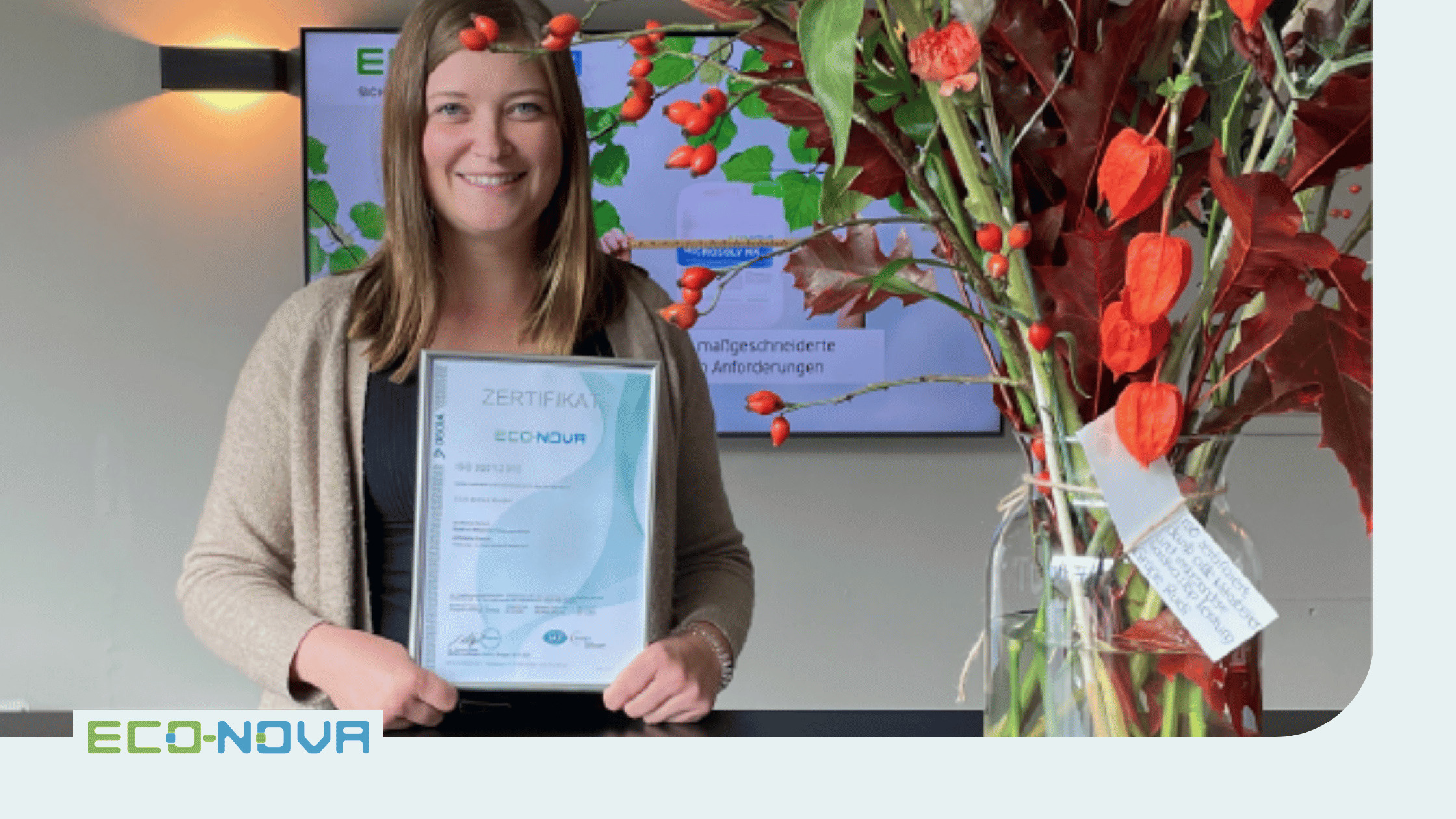
We are proud to have been awarded our certificate again this year by the DEKRA to have received it. Our thanks go to Saskia, who as Quality Officer is responsible for quality management and therefore plays a key role in fulfilling the criteria for ISO 9001 certification.

Danger symbol check - Why?

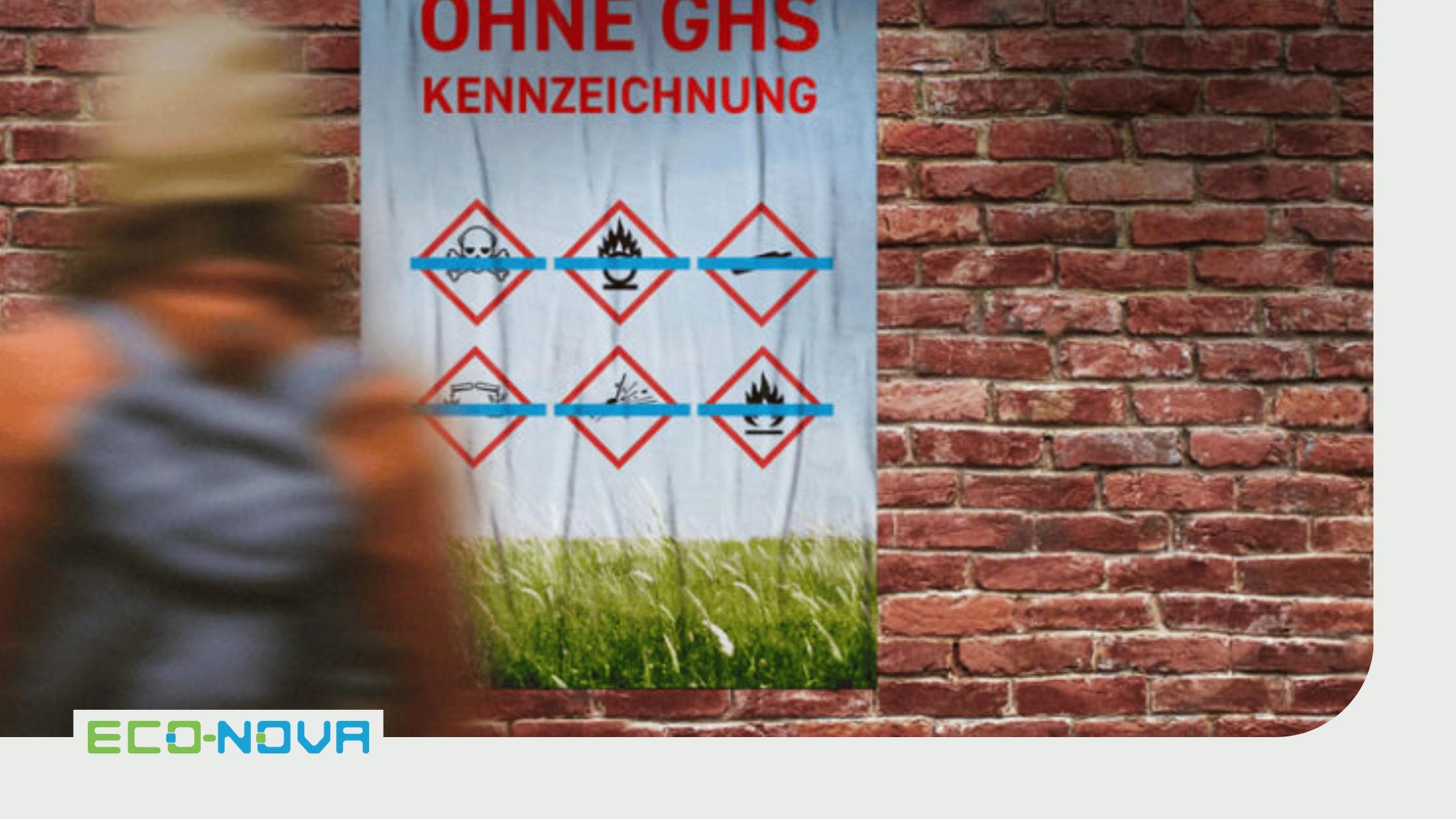
Substitution of cleaners that contain hazard symbols

It is becoming increasingly important for manufacturing companies to remove cleaning agents labelled with hazard symbols from their production facilities and replace them with harmless and safe cleaning solutions.

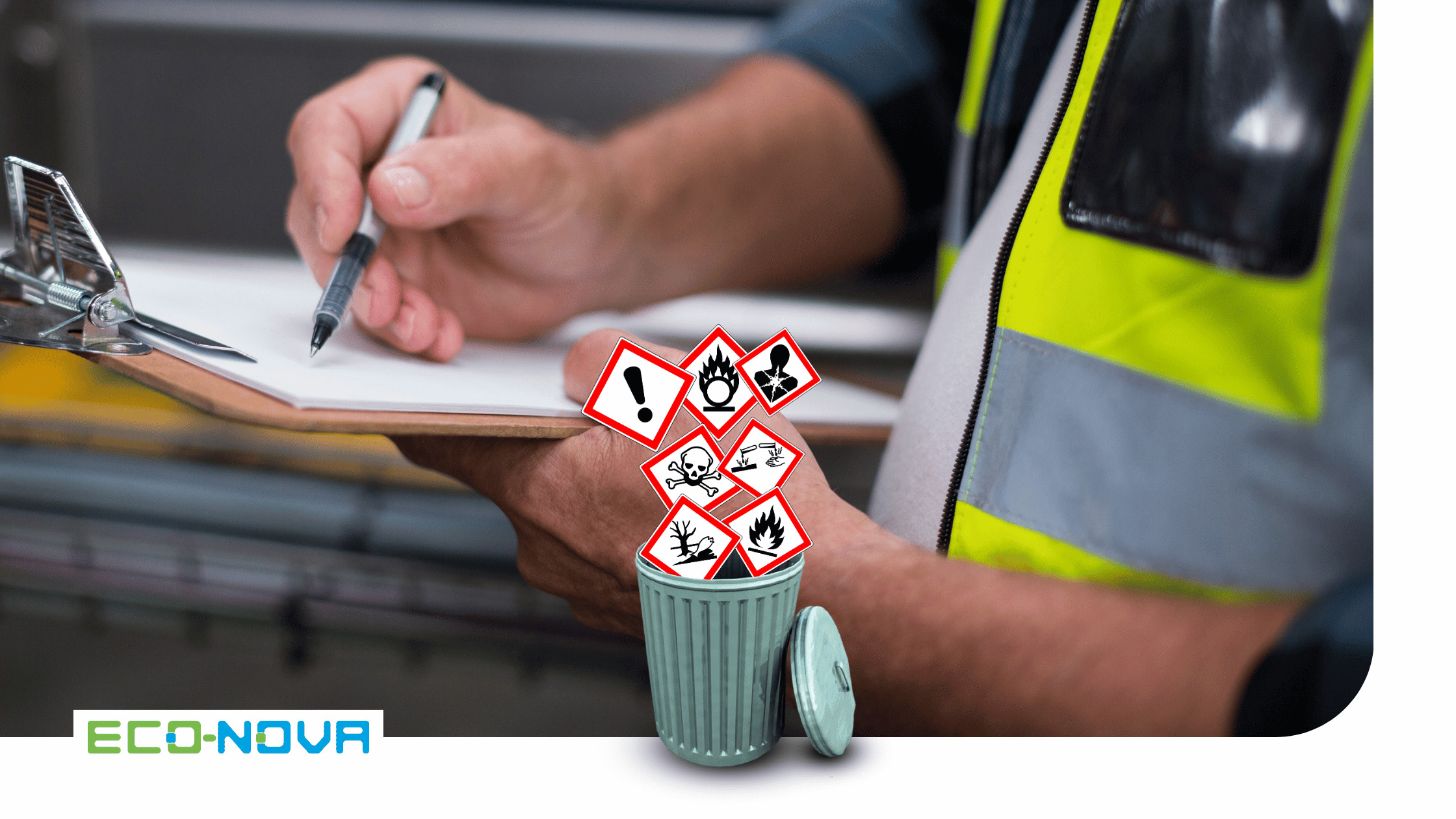
Many people are familiar with this... There are all kinds of hazard warnings and pictograms such as flame, fish or skull and crossbones on the cleaners that are used every day. In many industrial companies, for example, toxic, corrosive or irritating products are used for cleaning. These products pose a risk to employees and the environment. Harsh“ cleaners are used for cracking, sticking or removing oil and grease. These hazardous cleaners require special measures such as PPE or storage regulations. The fact that these cleaners are labelled with symbols and the corresponding safety data sheets are available is regulated by the international regulation for hazardous substances (CLP). This means that the occupational safety specialist knows how to assess the hazards and which protective measures are required to use the cleaning agents.

Improve safety and save costs


Many measures are necessary in the company to ensure the safety of cleaning products containing symbols. Special storage requirements apply to liquid cleaning products. Storage rooms must be well ventilated and the first aid measures and PPE (personal protective equipment) must be adapted to the liquids to be stored. It is necessary to instruct employees and train staff regularly. It should be noted that acids and alkalis must be stored separately from each other. When storing larger quantities, measures such as fire protection, fire brigade plan, etc. must be observed; from a storage quantity of 200 litres, extinguishing water must be retained. Depending on the hazard class, many regulations must be observed. With cleaning solutions from ECO-NOVA, safety can be improved and costs saved.

We substitute cleaners with hazard symbols


Companies and employees are often unaware of the possible consequences of using cleaners containing hazardous substances. The intoxicating effect of some ingredients can also lead to unconscious addiction (e.g. painter's disease) to solvents.

It therefore makes sense to check the cleaners regularly. It is often time-consuming for companies to keep an inventory of cleaners and, despite the hazard symbols, there is a great reluctance to replace classic, questionable cleaners with an ecological and safe alternative. However, awareness in purchasing is increasingly changing, as the assumption that a cleaner only works if it contains harsh or hazardous substances is no longer valid.

The demand for safe, ecological and innovative cleaning solutions is increasing. This is also increasingly becoming the focus of industry and the manufacturing sector in the context of the „ecological footprint“. ECO-NOVA GmbH supports companies in the substitution of cleaners with hazard symbols. We take stock of the existing portfolio of products containing hazardous substances and offer ecological and justifiable alternatives, including customised cleaning solutions.


The war in Ukraine affects us all

Our team follows the events in Ukraine on a daily basis and we sympathise with the Ukrainians. We are concerned about the civilian population on the ground, the people on the run and the courageous people who are fighting back so bravely against Russia's superiority.

Our team is concerned about the people in Ukraine

We condemn such an act of war against a democratic and sovereign country in the strongest possible terms and this is not compatible with our values and principles. We have decided not to continue or commence any business activities with Russian companies. We do not currently purchase any raw materials from Russia and will not do so in the future. We have all the ingredients for our Made in Germany products in stock and our supply chains are secure. We will continue to supply our customers reliably as usual.

The Eco-Nova team hopes for quick peace negotiations and an early end to this senseless war.

#standwithukraine

UN authorisation

What is a UN authorisation?

Some packaging in our range has UN approval and is therefore suitable as packaging for hazardous substances. You can find out more about UN authorisations in this knowledge article.

United Nations

Packaging for the transport of dangerous goods must be certified. There are regulations for this that have been defined by the United Nations (UN). The UN Economic Commission for Europe (UNECE) is responsible for defining and regulating these standards. UN certification is part of a uniform system for the classification, packaging, marking and labelling of hazardous substances to ensure safe transport. The national and international transport of hazardous goods by road, rail, water and air is governed without exception by this system of ADR, GHS and UN regulations.

Examination

In order to obtain UN certification, packaging is first tested. This includes drop tests to prove that the packaging is suitable for the transport of dangerous goods. The tests are carried out under specific conditions.

Test mark

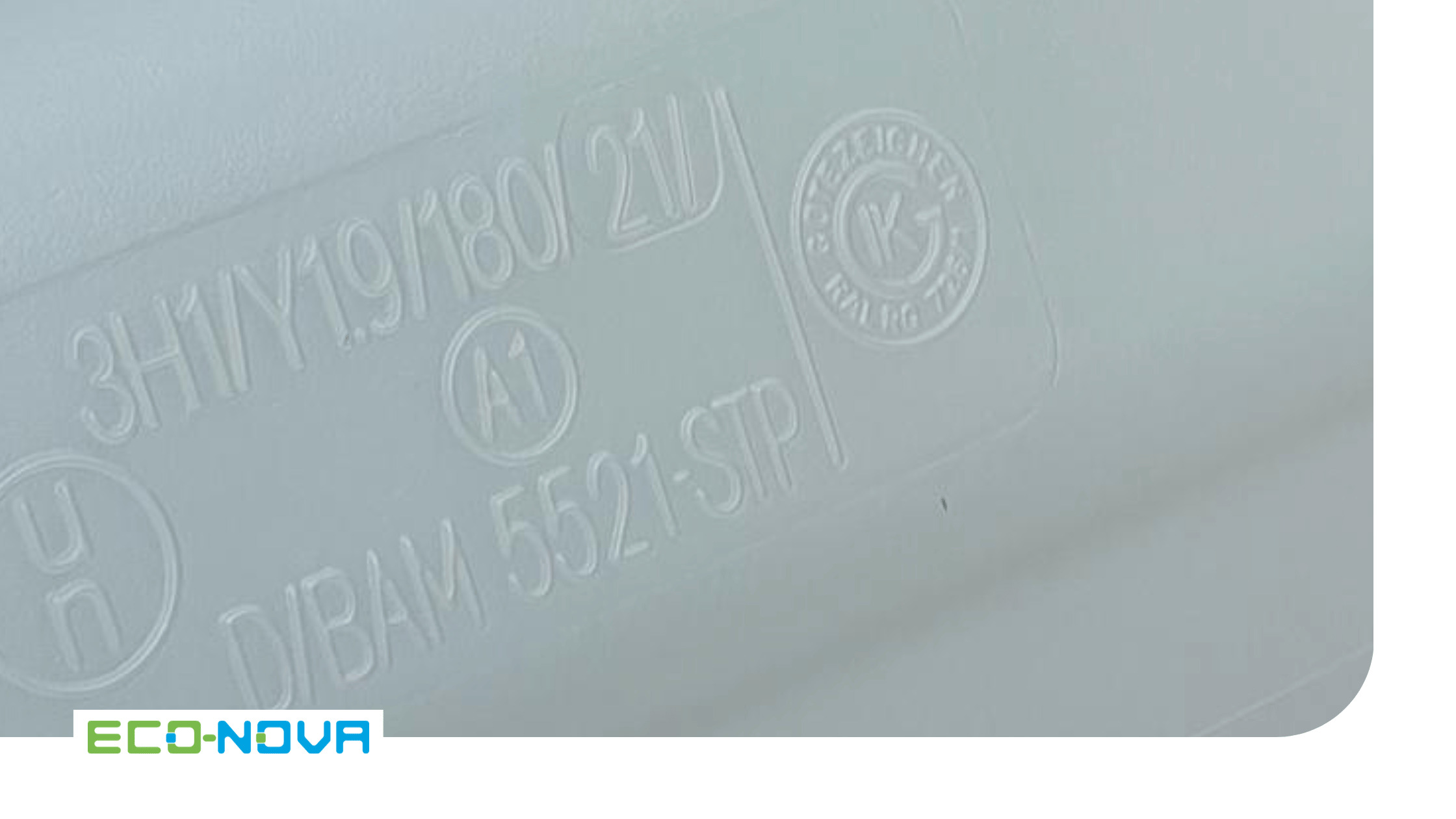
After UN approval or certification, the test mark is embossed on the packaging in the form of an indelible number. A UN approval mark looks like this, for example:

UN indicates that a United Nations authorisation for hazardous substances has been granted.

3H1 denotes the type of packaging, in this case a plastic canister with a non-removable lid. 1H2 stands for drum with removable lid.

The letters X, Y or Z indicate the packaging group (hazard group) in which the package was tested:

X = Packaging group I (high hazard)

Y = packing group II (medium hazard)

Z = packing group III (low hazard)

If packaging has been tested for substances with a high hazard, it may also contain substances with a medium or low hazard. The following therefore applies to the contents of the packaging:

X = suitable for substances of packaging groups I, II and III

Y = suitable for substances in packaging groups II and III

Z = suitable for substances of packing group III

1.9 indicates the maximum specific weight of the liquid to be packaged. In the case of solids, the figure indicates the maximum permissible gross weight (in kg) of the packaging including contents. In the example, this is 81 kg.

200 stands for the maximum hydrostatic pressure (internal pressure) that the packaging can withstand for liquids, expressed in kilopascals (kPa) and rounded down to the nearest 10 kPa. For solids, an S is listed.

19 stands for the year of manufacture. The UN authorisation for plastic packaging must not be older than 5 years. In the second example, the year is not stated because the UN authorisation was on a main document of the packaging. However, the year of manufacture must always appear on the packaging itself.

D is the country in which the examination took place, in these examples here it is Germany and the Netherlands (NL).

The last character string indicates the certification body of the packaging in question. It appears in the form of a name, manufacturer's mark or a code of the certification body.

UFI numbers - What you need to know

From 2021, a so-called UFI number or UFI code will appear on the labels of our packaging. In this article, our dangerous goods officer, Mark Brumme, informs you about the new UFI numbers.

Example of a UFI number: P4TM-JOY2-700M-FSVS

It is an alphanumeric code with 16 digits, divided into four sections by hyphens. This labelling will be mandatory from 2025 for all products that pose a health or physical hazard.

What is this new UFI number all about?

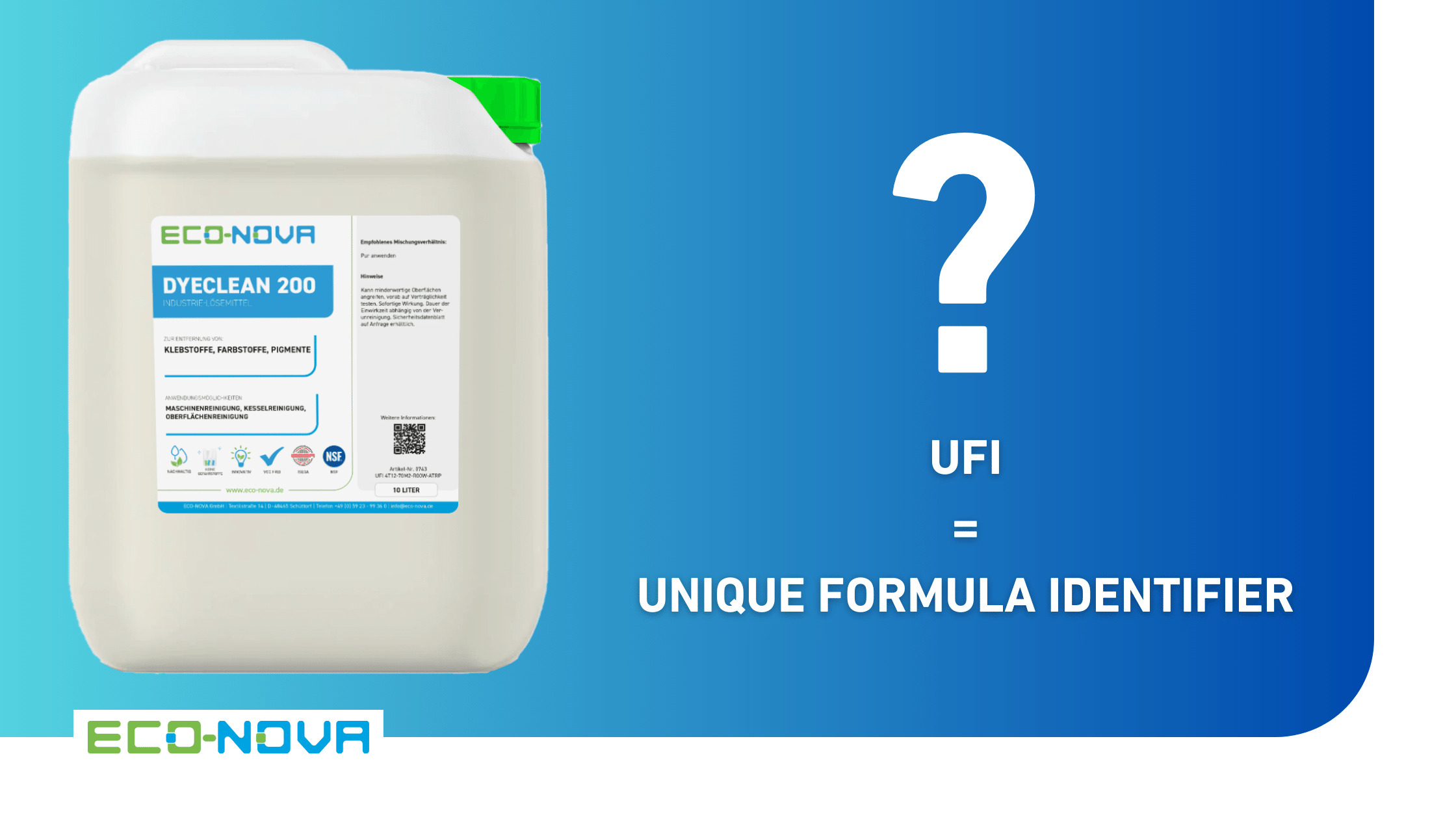
UFI stands for „Unique Formula Identifier“ or „unique formula identifier“. The UFI code is intended to help take the right action in the event of poisoning. Poison control centres have access to a list of these numbers and can thus quickly and reliably identify the ingredients and properties of the product.

For which products is the UFI number mandatory?

The UFI number must be affixed to all products with hazardous ingredients. However, as a voluntary measure, the information may also be used for non-hazardous products. Therefore, if you find a UFI number on our products, this does not necessarily mean that it is also a hazardous product.

Where do the provisions of the new UFI number apply?

The UFI number is the implementation of the information from Article 45 of EU Regulation 1272/2008. As this is a European regulation, you will find the UFI number or UFI code on products from all EU countries in future.

What are the deadlines?

From when the UFI number must be affixed to products depends on their distribution. A distinction is made as to whether a product is sold to private end users, commercial users or industrial companies:

Private users from 01.01.2021
Commercial users from 01.01.2021
Industry from 01.01.2024
Products reported before 01.01.2021 from 01.01.2025

Regardless of these deadlines, you will find the UFI number on our products with immediate effect. We will also indicate the UFI number on products that do not contain any hazardous ingredients. You will also find the UFI number on our safety data sheets in future.

What should I do in the event of an accident?

We do not want you to be injured by one of our or other products, but if this should happen, the information stored will help the doctor to take the right measures. To make this possible, please take a picture of the product (e.g. with a mobile phone) and bring the picture (or the mobile phone) with you to the accident and emergency department. The doctor can then use the UFI number to obtain important information from the poison control centre. As the information is not yet available for all products with an emergency number during a transitional period, you should also have the product name and manufacturer to hand (or take a photo). If it is one of our products, you can also bring our safety data sheet to the emergency medical centre instead.

If you have any further questions about UFI numbers or UFI codes, please contact us at any time.

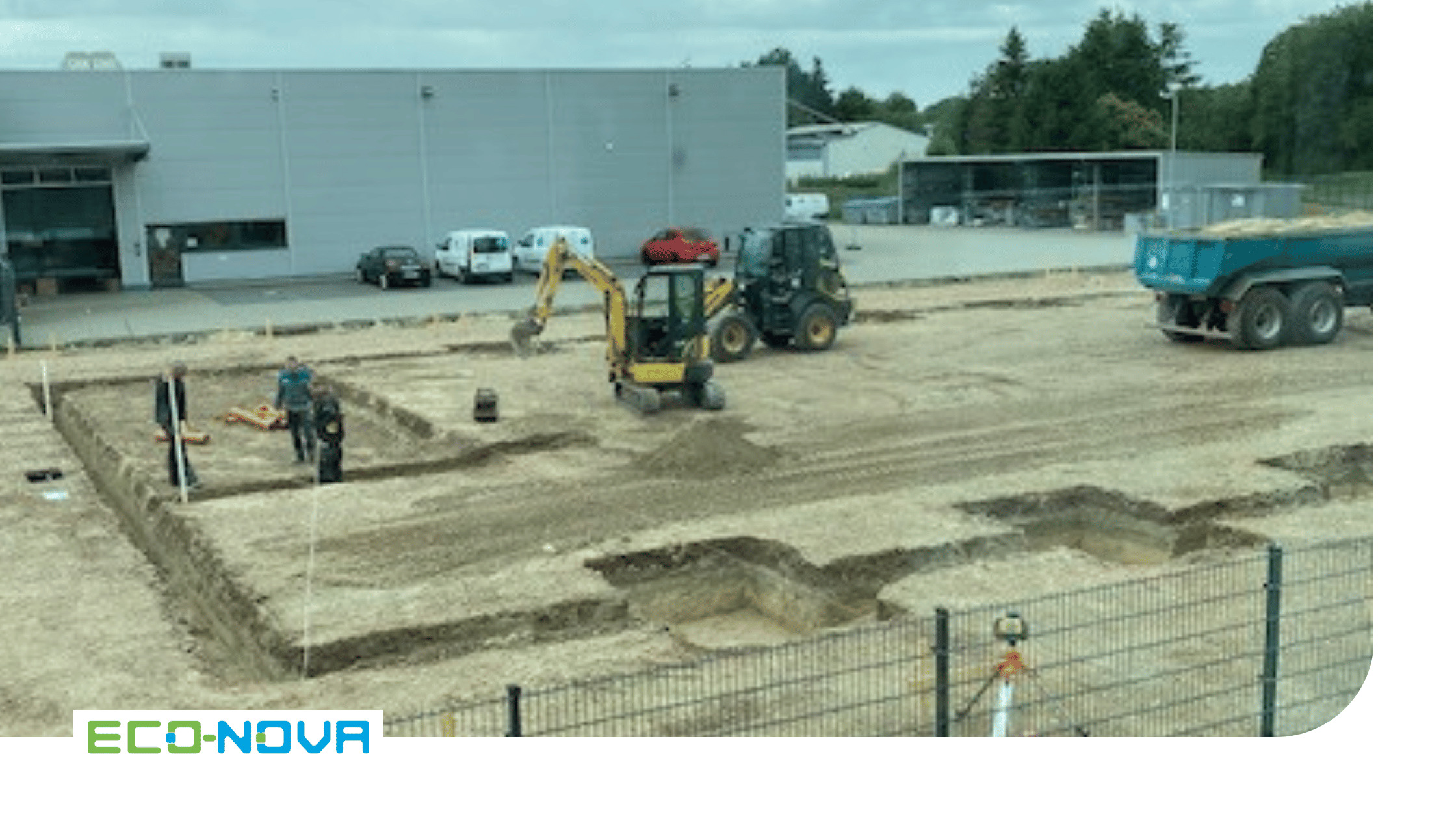
Expansion of the production and logistics area at the Schüttorf site.

Eco-Nova GmbH will double the size of its premises this year due to the steadily increasing demand for safe and industrial cleaners.

The new administration building including a production and logistics hall at the Schüttorf site was completed in 2000.

After 8 years, the first expansion followed in 2008 with the addition of a further warehouse and production hall.

After another 12 years, the floor space needs to be extended again.

The new building will be realised directly next to the existing building. The new hall is intended for production and outgoing goods.

By installing a photovoltaic system on the roof, we are also fulfilling our responsibility to operate sustainably and protect the environment.

The new hall is scheduled for use from October 2020.


The timber house in the industrial estate - the environment is important to us

Building a company building with cedar wood panelling in the middle of the Schüttorf industrial estate is a statement by company founder Rudi de Leeuw.

The claim of the native Dutchman not only shows his connection to nature, but also his courage to try something new. In the history of the company, which was founded in 1993, it quickly becomes clear that courage was also the key to ECO-NOVA's success. Even as a young company, our products were able to convince world-renowned industrial giants - and this has not changed to this day.

In this day and age, it is almost impossible to go through life without a certain amount of environmental pollution. We encounter unnecessary or superfluous packaging and much more in everyday life. Everyone sets their own standards here.

Our approach is based on respect for nature and people. Since its foundation, ECO-NOVA has been working on the basis of natural active ingredients in order to achieve the highest possible environmental compatibility. Adapting our products to the needs of our customers also reduces the use of unnecessary active ingredients and further minimises the impact on our shared environment.

You should therefore continue to wash your hands thoroughly

Soap is an important means of protecting yourself and preventing the spread of the coronavirus.

How does soap work?

The outermost layer of the coronavirus consists of fat, and soap is a good way to remove fat. This is why we are regularly advised to wash our hands with soap and water for at least 20 seconds. Soap destroys the fatty layer of the coronavirus, causing it to break down and render it harmless. The remains of the virus are rinsed away with water.

Enjoy the summer and stay healthy.

Your Eco-Nova Team

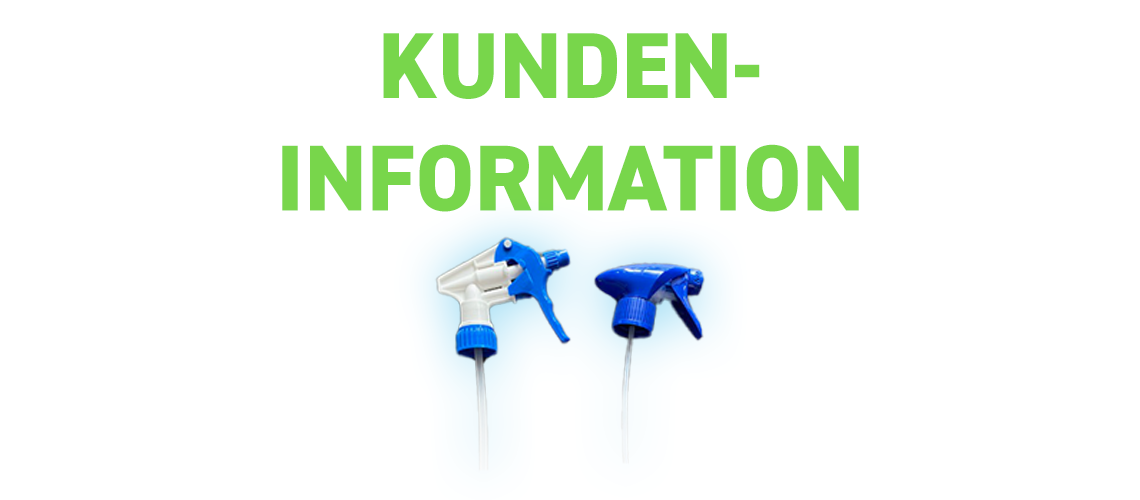
Worldwide shortage of spray heads

In these times of the Covid-19 pandemic, we at Eco Nova GmbH are also facing challenges.

Due to stricter hygiene measures and the resulting increase in the use of disinfectants, the consumption of spray heads has risen dramatically worldwide.

Unfortunately, this is currently causing supply bottlenecks for our usual solvent-resistant spray heads.

We are therefore supplying our customers with an alternative, solvent-resistant spray head on a transitional basis. This will continue to ensure the proper use and handling of our products.

As soon as the usual spray heads are available again, we will of course make them available for you again.

Hazardous substances and dangerous goods

These two terms are almost inextricably linked with cleaning agents. Often, „harsh agents“ had to be used to remove aggressive soiling safely and sustainably. Fortunately, this often no longer has to be the case today.

Eco-Nova cleaning agents often contain much milder agents or do not contain any hazardous substances at all. This is made possible by the ongoing development and testing of various chemicals and mixtures. During development, preference is given to chemicals that have no or only minor hazardous effects.

Nevertheless, hazardous substances of different strengths are still required for certain solutions. But even the less hazardous agents have properties that need to be pointed out. Relevant expertise is required here to enable good and safe categorisation.

Safety data sheets should make the professional user aware of the various hazardous properties and ingredients so that the occupational safety specialist is able to carry out risk assessments for the specific application.

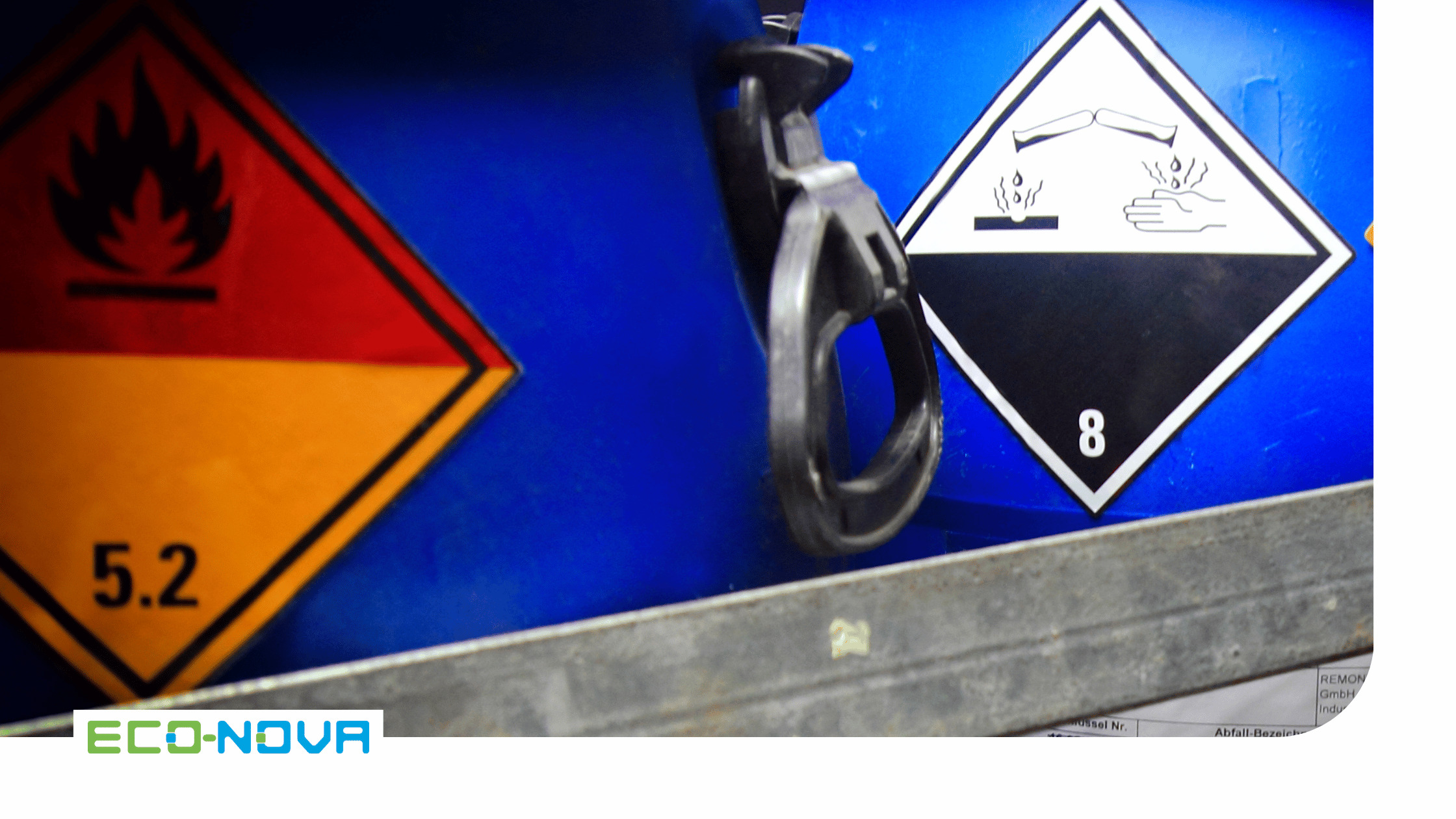
Hazard pictograms as well as H and P phrases (hazard statements and precautionary statements), which are affixed to the packaging, are intended to draw the user's attention to the hazards.

When transporting hazardous substances, it is often necessary to comply with dangerous goods legislation. In addition to the correct classification of cleaning agents in accordance with dangerous goods legislation, it is important to select the right high-quality packaging, which also needs to be labelled in accordance with dangerous goods legislation. Finally, the consignment receives a transport document that refers to the hazardous contents and properties. This ensures that the cleaning agents reach the customer safely and can fulfil their purpose of cleaning stubborn dirt.

Why is it worth switching to safe cleaners?

Do your employees still have to use cleaners with hazard symbols? The cleaners are working well and you see no reason to change anything? The potential hazards seem to be under control through the use of PPE? So why change anything if there seems to be no need? Many companies still think this way. The justification for cleaners such as MEK, NMP, toluene, ethyl acetate, terpenes, etc. therefore still seems to exist, even though many long-established cleaners have been proven to be carcinogenic, for example. Certainly, 99 % companies have the will to protect their employees from hazards. However, taking a step into the unknown by switching to new cleaning agents requires courage and proactive action. This often fails, even if the intention is there. However, we can say from our own experience that there are many good reasons to actively take the step towards safe cleaners.

Many of our customers are now approaching us and are happy to have substituted the dangerous cleaners, as their employees have long since honoured the better working conditions. Even if the change was not accepted by everyone at first.
The advantages are obvious.

After the changeover, managers and decision-makers no longer have to justify the use of hazardous cleaners to auditors or superiors. Possible fines or sanctions, e.g. for exceeding workplace limits, which are no longer uncommon due to increasingly restrictive regulations, could also be avoided by customers using our cleaners. In addition to the aspect of occupational safety, the economic factor is therefore playing an increasingly important role in the decision in favour of the right cleaner. And what if your own customer emphasises the issue of occupational safety, but you are still using chemical maces and your customer finds out about it? In the end, it's things like this that can set you apart from the competition.

You are looking for safe cleaners or want to replace critical cleaners. Get in touch with us. We will support you with detailed advice on site.

Incidentally, our cleaners are recommended by the BG ETEM.

Conformities, certifications and development of cleaners

The requirements for your end products are becoming more and more extensive on many levels, whether due to legal requirements or customer-specific requests. One customer wants a certificate of conformity that the products supplied have been produced under food-safe conditions, while another requires that the cleaning agent used in the production process fulfils legal requirements and does not contain any substances on the SVHC list, for example.

Certification by NSF or ISEGA 

These increased requirements on the part of our customers run through the entire supply chain, which is why we see it as our duty to simplify these admittedly tedious but necessary procedures and activities as much as possible for our customers. We achieve this through an active policy. For example, many of our cleaners have recognised food safety certificates from the NSF or the ISEGA Institute, meaning that many customer requirements can already be certified „out of the box“.

We always respond quickly and reliably to specific customer enquiries for which there is no standardised certification thanks to the expertise we have built up over many years. And should it happen that a cleaner does not fulfil a requirement, we work together with our customers to find a solution that meets all performance, conformity and safety requirements.

Both sides benefit from this partnership-based cooperation. On the one hand, the joint development process results in cleaners that are unique and customised to the individual needs of our customers. On the other hand, we gather new knowledge that flows into the development of new, innovative products. For many years, we have been maintaining an ever-growing database that allows us to act flexibly and future-orientated in the interests of our customers.

Many of our cleaning concentrates already have food certification from NSF or ISEGA, such as. Meganova, Novatrax, Microsolv or Gluemex. Talk to our Technical team directly if you have new requirements for your cleaners or processes. We will take care of your concerns and make your work as easy as possible.

Biosurfactant cleaners for industry

In industry, cleaning is very simple: it has to be quick and clean enough not to jeopardise production. Chemical and aggressive cleaning agents are often used to achieve the desired result. Environmental compatibility often falls victim to these overriding objectives. Another problem arises from the frequently high pH values: skin irritation and allergies can be the result.

Surfactants are needed to remove dirt and grease. They have a particularly cleaning-promoting molecular structure: on the one hand they attract water (hydrophilic) and on the other hand they attract grease (lipophilic). In this way, they infiltrate firmly adhering dirt and separate it from the surface. The dirt particles dissolve in the water and are rinsed off.

The latest generation of biosurfactants fulfils all expectations in an innovative and sustainable way: despite their powerful cleaning performance, they are so mild to the skin that they are even used in the cosmetics industry. They are also produced entirely naturally by microorganisms and are 100 % biodegradable.

We currently have two biosurfactant cleaners in our range.

Request a sample package now

Free samples

Send us your enquiry. We will get back to you. In a non-binding initial consultation, we will assess which cleaners are potentially suitable for your application and put together a free sample package for you.